











Hot Barre: The Heated Workout That Will Make Your Legs Shake,
If you already do barre you'll be familiar with the shake that sets in somewhere around the third set of pliés and still has you walking out of the studio like a newborn deer forty minutes later. Now imagine turning up the intensity in a heated studio. Welcome to hot barre.
What actually is hot barre?
Barre began in 1959, when German-born dancer Lotte Berk launched a programme from a basement studio on Manchester Street in London. Recovering from a back injury, she developed a method that combined the precision of ballet with rehabilitation exercises, something that would strengthen without punishing. What she created has since evolved into one of the most popular low-impact workouts in the world.
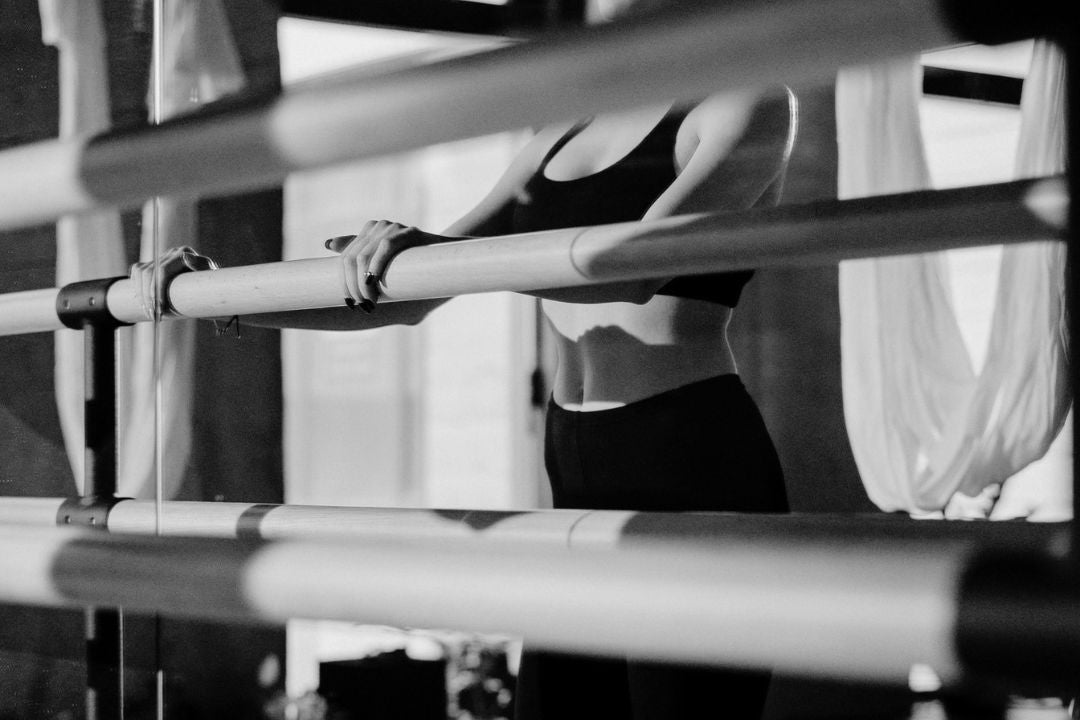
Hot barre takes that foundation and adds heat. Classes are typically held in studios warmed to between 30°C and 40°C, either through infrared panels or conventional heating systems. The format itself remains true to the barre method: small, controlled, isometric movements performed at or near a ballet barre, targeting the thighs, glutes, core and arms through high repetitions and sustained holds. The heat simply amplifies every element of it.
How is it different from regular barre?
The movements are the same but the heat changes the workout.
In a conventional barre class, muscles take time to warm up. In a heated studio, they're pliable much faster which means you can work deeper into each position from the very first exercise. Those tiny, pulsing movements that define barre, the ones that look almost too small to matter until the burn sets in, reach deeper muscle fibres more quickly when the body is warm.
The result is a more intense, more efficient workout that can feel simultaneously harder and more fluid than its room-temperature equivalent.
The heat also adds a cardiovascular dimension that regular barre doesn't have to the same degree. Your heart rate rises to help regulate your body temperature, which means you're working your cardiovascular system throughout the class, not just during the more dynamic sequences.
Why is the heat worth it?
It targets the muscles barre is known for, more effectively.
The glutes, inner thighs, hamstrings and smaller stabilising muscles that barre isolates so well respond particularly well to warm conditions, allowing deeper holds and a greater range of motion in positions that would otherwise require weeks of practice to achieve.
It builds the kind of strength that lasts.
Barre works the deep stabilising muscles that are overlooked in most other forms of exercise. These are the muscles that protect your joints, support your posture and keep you injury-free. In the heat, you can access them earlier and work them harder, building functional strength that carries into everyday movement.
It gives your cardiovascular system a real workout.
One of the misconceptions about barre is that it's not a cardio workout. In a heated studio, that argument disappears. Your heart rate elevates significantly, delivering real cardiovascular benefits alongside the toning and sculpting effects barre is famous for.
It will sort your posture out.
Barre has always had a strong emphasis on alignment and carriage, and in the heat, the body is more responsive, corrections feel more natural, and the habits you build in class are more likely to stay with you on the way out.
It speeds up recovery.
Research has shown that infrared heat can reduce delayed onset muscle soreness, meaning that ache you'd normally feel for two days after a hard barre class is reduced. You can get back to the barre sooner.
It may improve your sleep.
Several studies have shown that heat exposure before bed supports deeper, more restful sleep. A hot barre class in the early evening is, it turns out, excellent preparation for a good night.
Your mind gets a rest too.
The focus required to hold a position, maintain alignment and breathe through the burn in a heated studio leaves no room for whatever else is occupying your head. People consistently describe leaving feeling wrung out and clear-headed at the same time.
What should I expect in my first hot barre class?
Expect to struggle. Barre looks deceptively gentle from the outside, small movements, no jumping, nothing that looks remotely dangerous. And yet within minutes of the first sequence your legs will be shaking and your heart rate will be climbing. Add heat, and the challenge becomes something else entirely.
A typical class runs 45 to 60 minutes and moves through the major muscle groups in sequence, warming up at the barre, working through thigh and glute sequences, then core and upper body, before stretching out and cooling down. The music drives the pace while the instructor cues your alignment, so you're never left wondering whether your hips are square or your shoulders are creeping up around your ears.
You will sweat. More than you expect to. Possibly more than you thought you were capable of!
A few things to know before you go
Hydration matters more than usual. Drink water throughout the day before class, bring a large bottle with you, and sip throughout rather than waiting until you're thirsty.
Arrive a few minutes early. Give your body time to acclimatise to the heat before the class begins. It makes the first sequence feel significantly more manageable.
This is not the class for your favourite oversized sweatshirt. Lightweight, moisture-wicking and fitted is the brief. Instructors need to see your alignment, and anything loose will be clinging to you within minutes anyway.
Bring a towel, or two. A larger one to lay over your mat as it gets slippery, and a smaller one for your face and hands. Some studios provide them, others charge to hire, and some ask you to bring your own. Check before you go.
Pack grip socks. As the heat builds, the studio floor becomes more slippery. Grip socks provide the traction you need for standing work and balance exercises, and many studios require them.
Listen to your body. The heat is forgiving on muscles but demanding on your cardiovascular system. If you feel faint or dizzy, stop. There is no shame in gripping the barre and having a quiet moment.
Check with your doctor first if needed. Hot barre is not recommended for those with heart conditions, high or low blood pressure, or during pregnancy.
Where to try hot barre in the UK and beyond
Hot barre is still finding its feet as a format in the UK, which means the studios offering it well are worth knowing about.
London
Psycle, Bank: Infrared Sculpt fuses barre and strength training in the heat, exclusively at the Bank studio, heated to 37°C.
Humankind, Brighton: Hot Barre in a dedicated infrared studio in Kemptown, heated to 30 to 38°C, with Inferno Pilates also on the timetable.
International
BRRNBARRE, Dubai(Al Quoz): An LA-inspired infrared studio offering hot barre and hot cardio in Goshi Warehouse City, one of the best-known hot barre destinations outside the UK.
Burning Bar, Paris (16th arrondissement): Primarily a hot Pilates studio, but every class is heated to 35°C infrared and barre is on the timetable alongside Pilates, yoga and cardio.
What to do with your kit
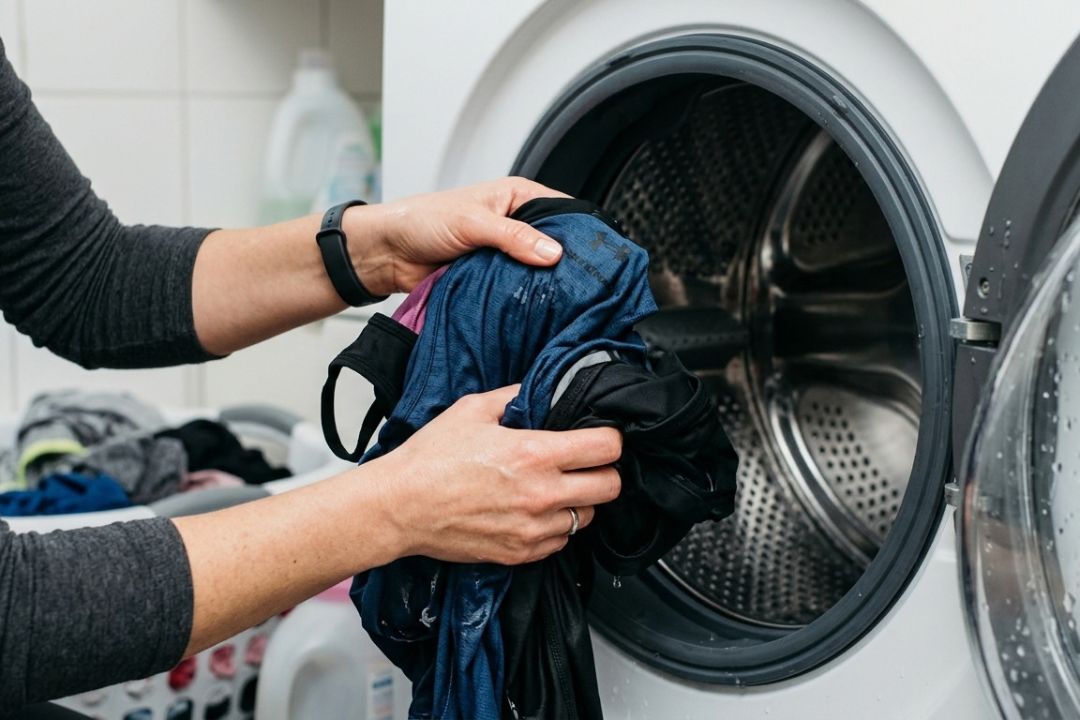
Hot barre will leave you very sweaty. Your kit needs somewhere to go that won't ruin everything else in your bag.
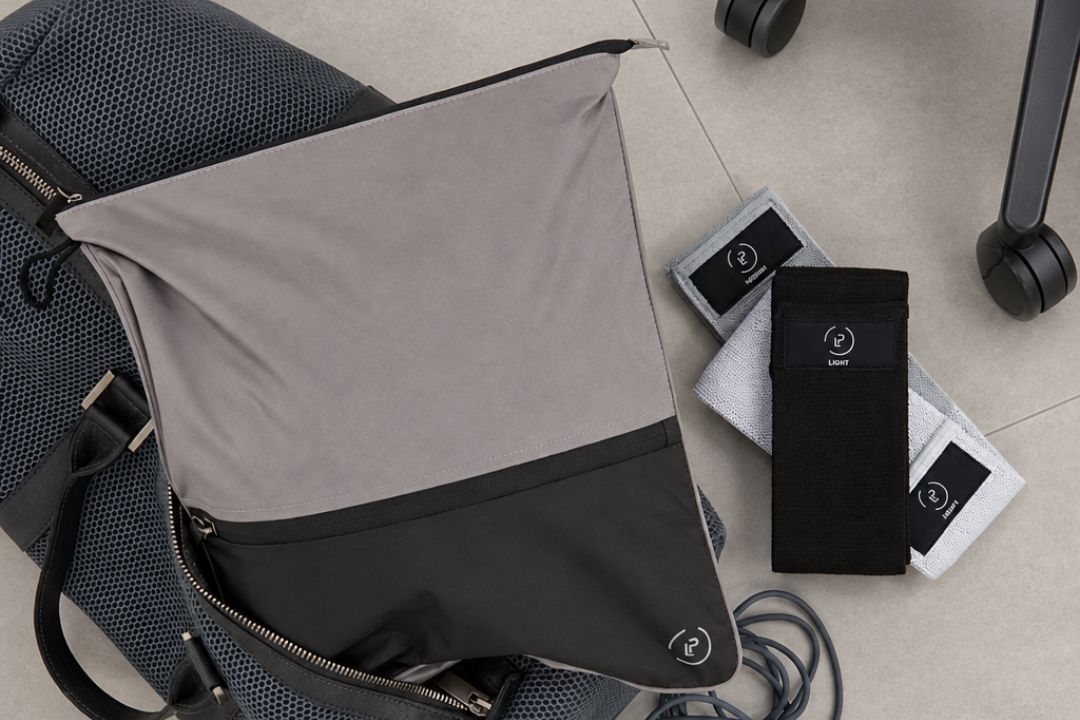
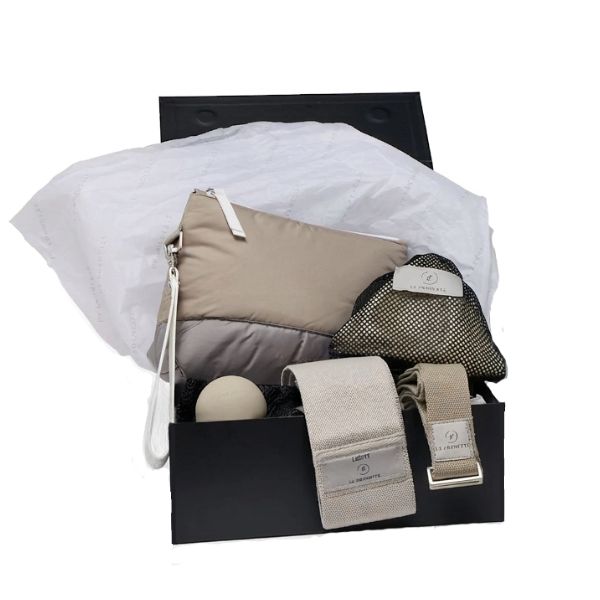
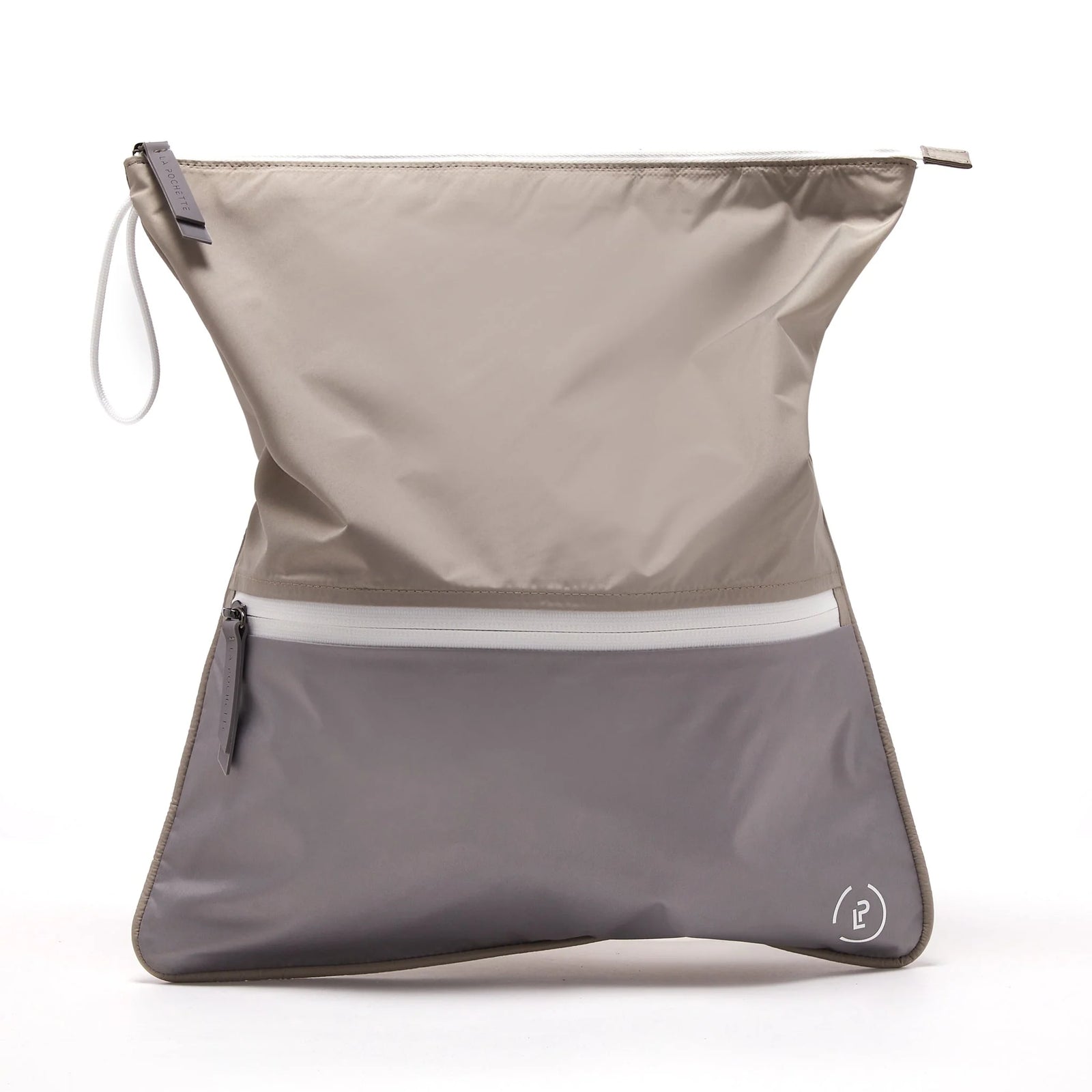
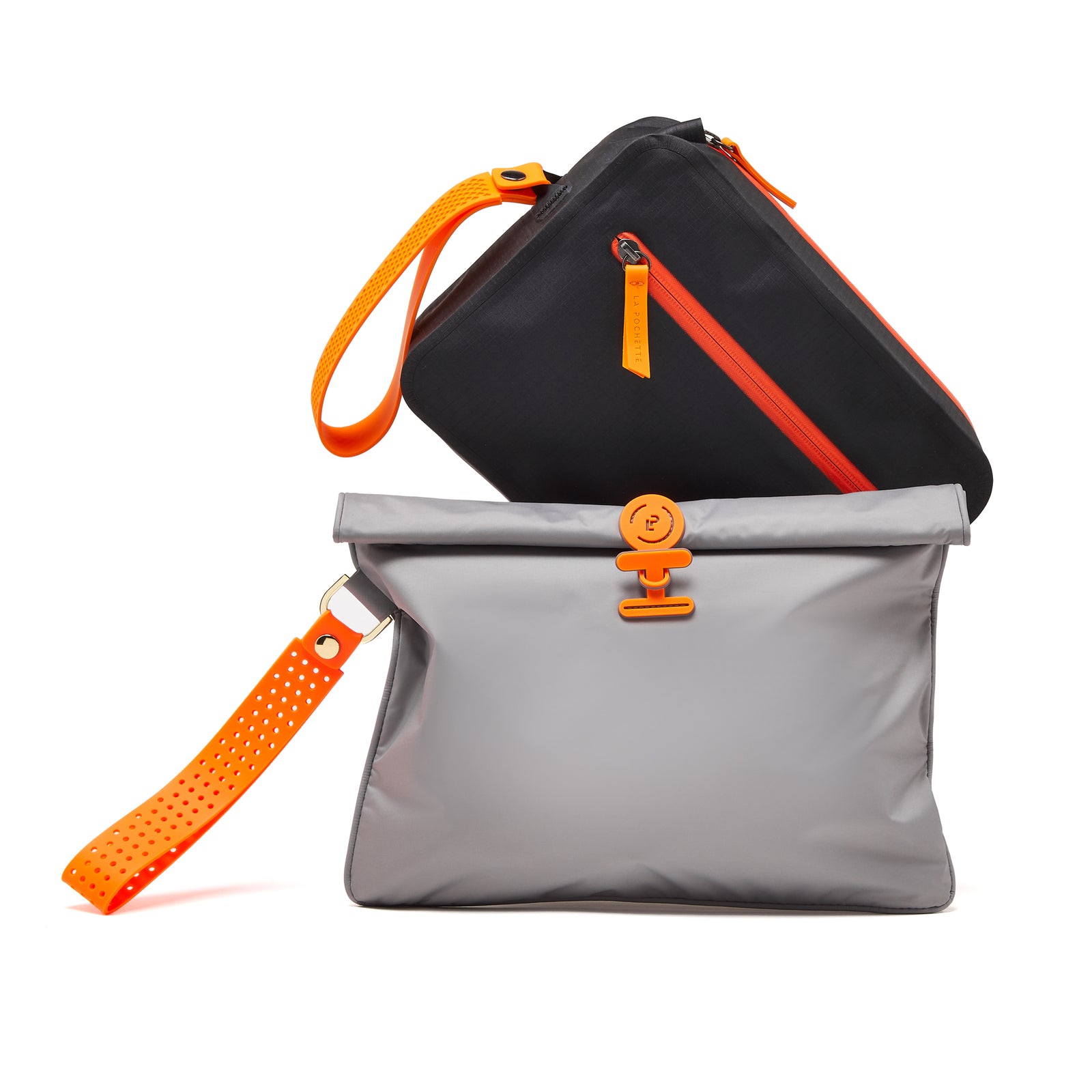
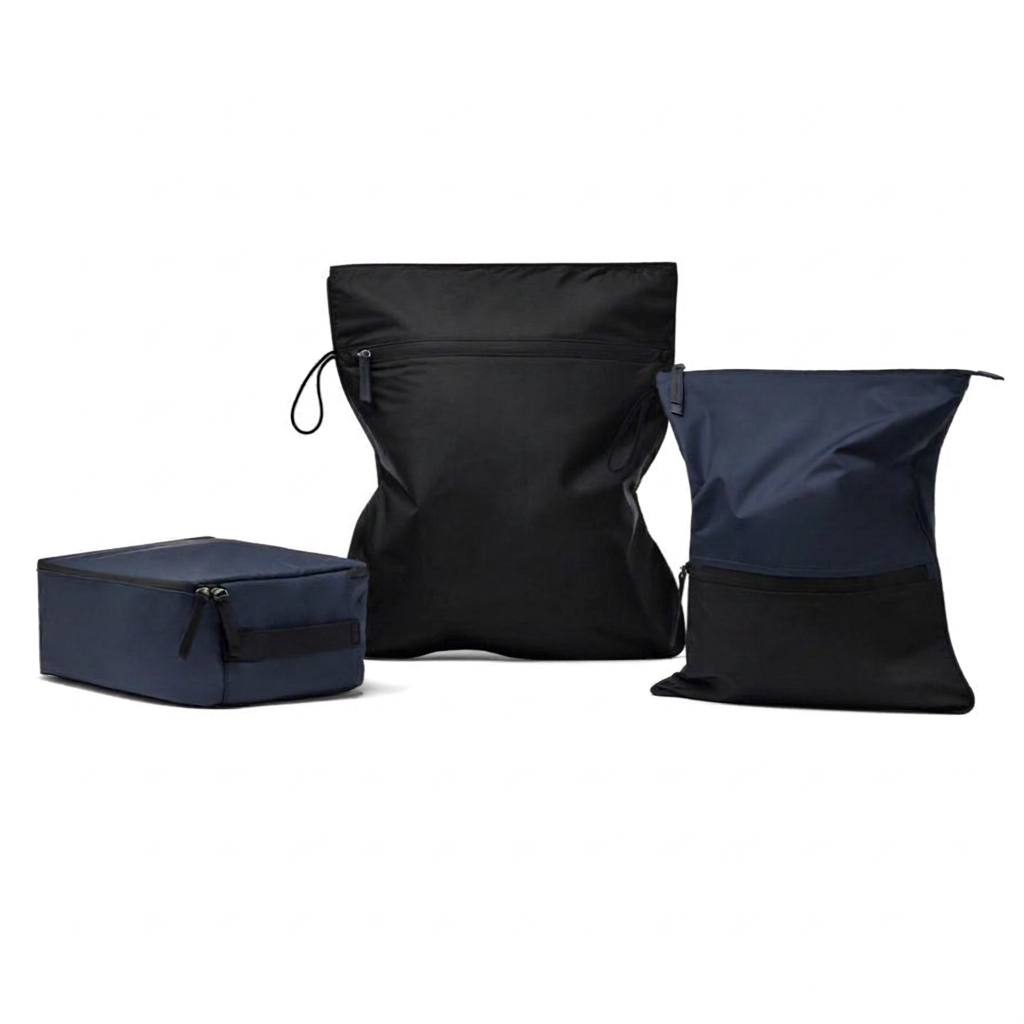
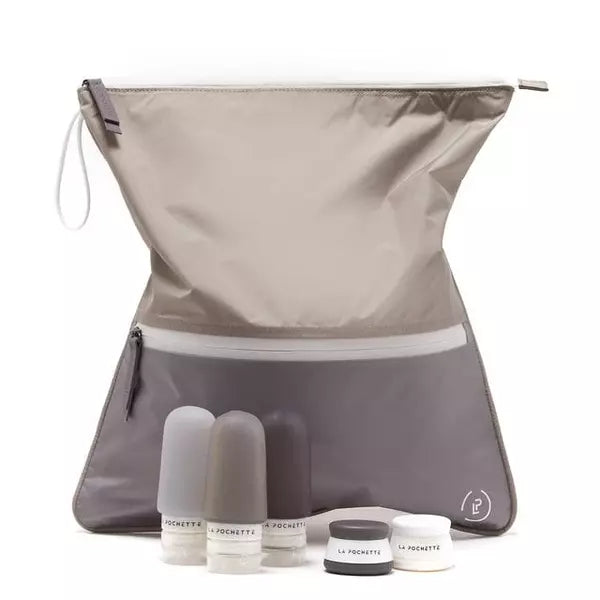
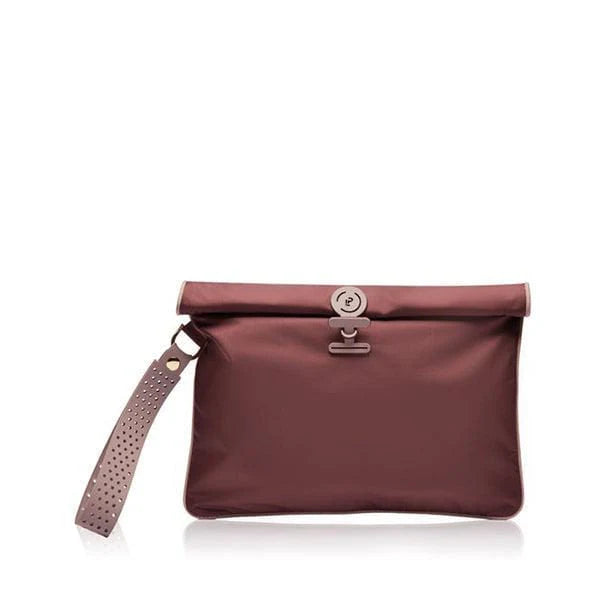
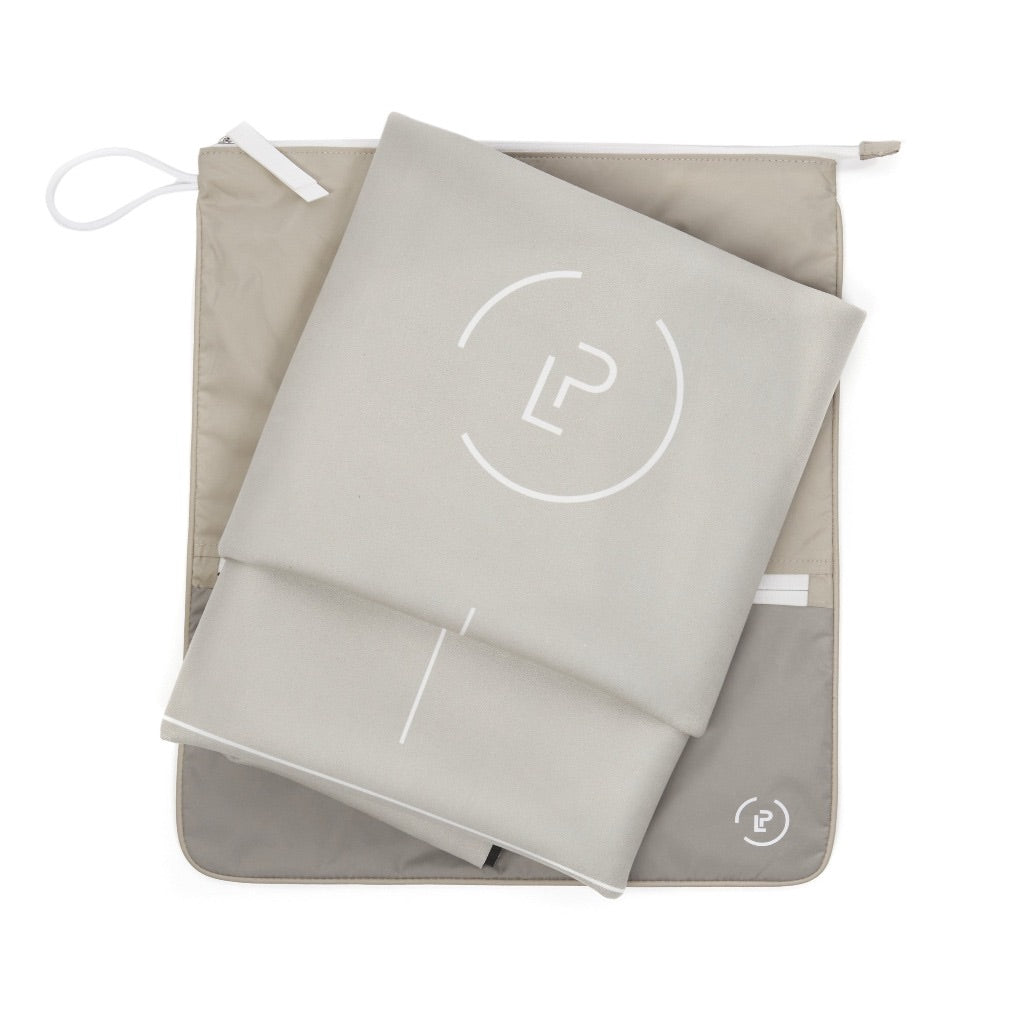
Your Sweat Bag handles a regular class beautifully, antimicrobial, deodorising and compact enough to sit inside your tote or gym bag. But after a hot barre session, when your kit is genuinely dripping, the Kit Bag earns its place. Its waterproof lining keeps sweaty kit and damp towels completely contained, without a second thought about what's leaking onto what.
And of course, don't forget your grip socks.