











Why Gym Clothes Still Smell After You've Washed Them
Why can workout clothes still smell when they're clean?
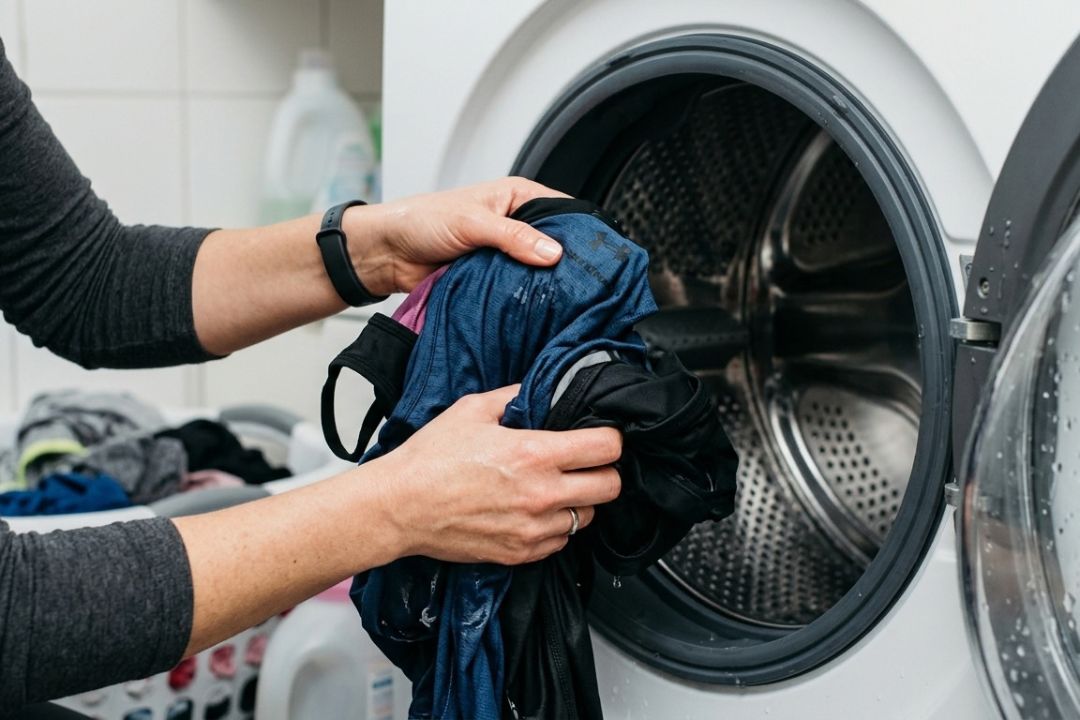
Wash gym clothes a few times and one of two things tends to happen. Either the kit comes out of the machine still smelling, it feels like the wash simply didn't work and you question whether you remembered to add detergent, or it smells fine when you put it on and then you start to notice unpleasant odours again ten minutes into the next session. This feels even worse because it seemed clean an hour ago.
The instinct is to wash it hotter, wash it more often or add more detergent but none of that reliably fixes the issue and there's a reason why.
Two things are usually responsible: bacteria that get trapped in synthetic fabric and don't fully wash out and fabric conditioner making that worse rather than better.
Sweat doesn't actually smell. Sweat itself is close to odourless but what causes the smell is bacteria breaking it down into smaller, volatile compounds once it's sitting on the fabric.
The specific bacteria doing most of the damage is called Micrococcus. Researchers at Ghent University found it thrives on polyester in a way it doesn't on cotton, because polyester doesn't absorb sweat so much as trap the oily parts of it in tiny pools between the fibres. That's exactly the environment Micrococcus wants.
The same research found this bacterial buildup can survive a completely normal wash cycle on polyester kit. Most gym kit today is polyester, nylon or some blend of the two, so this is what's happening to almost everyone's laundry pile and it has a name in the textile industry: permastink, for the odour that never quite washes out.
Polyester is plastic, which is part of the problem. Whereas cotton and wool absorb the watery part of sweat, polyester resists water but soaks up the oily compounds instead.
That's not a case for throwing out every synthetic item in the drawer. Polyester dries faster and wicks better and natural fibres have their downsides, for example cotton can get heavy and cold as a session goes on, but it is worth considering what would suit your workouts best when buying new kit.
A 2020 review of hospital textiles found some bacteria surviving on polyester for up to 206 days at room temperature, roughly double what the same species managed on cotton. This refers to a different set of bacteria to the ones behind sweat odour, but the same pattern: synthetic fibres holding onto bacteria longer than natural ones.
What happens in the washing machine?
Most gym kit gets washed at 30°C, partly habit, partly because care labels ask for it to protect the elastane. But a 30°C wash isn't effective at removing bacteria. NHS guidance puts the minimum temperature for reliably killing germs at 60°C and many household machines running a normal cycle don't reach this, even with this setting selected.
The dilemma you're left with after a workout is whether to wash hot enough to kill the bacteria and risk damaging the elastane and wicking finish of your kit, or wash cooler so the fabric is protected but the bacteria may well survive. Some machines have sanitise cycles but they're built for towels and bedding, not stretch fabric, and can do the same damage a hot wash would.
The problem with fabric conditioner
You may love the scent of your fabric conditioner but this coats fibres in a thin waxy layer, which is what makes your towels feel soft. Fine for cotton but on polyester, nylon and spandex it clogs the microscopic channels the fabric relies on to wick sweat away from the skin, so kit stays damp longer during a workout, and it seals oils and bacteria into the fibres instead of letting them wash out. Some care labels on activewear will advise not using fabric conditioner but not all do and how many of us read the care labels in detail before chucking worn clothes into the machine?
How to actually stop gym clothes smelling
Drop the conditioner and add white vinegar to the wash instead. Use about a cup or 250ml, either in the conditioner drawer or straight into the drum. The acetic acid cuts through the oily sebum residue that shelters bacteria and dissolves detergent buildup at the same time, rather than just masking what's already there.
For kit that's already built up odour over several washes, a tablespoon of bicarbonate of soda alongside the detergent helps for a different reason: it's a mild alkali, and most sweat odour comes from acidic compounds like isovaleric acid, so the bicarbonate neutralises them into odourless salts rather than covering the smell up.
Don't be tempted to add extra detergent. Residue builds up in synthetic fibres much like conditioner does, trapping the bacteria it's meant to remove. A normal 30-40°C wash will work as long as it's paired with the steps above.
Skip the tumble dryer, heat degrades elastane over time.
For kit that's really properly stale, a stronger option is a washing soda soak. Dissolve a couple of tablespoons in hot water, then top up with cool water until it's tepid and leave the kit to soak for a few hours or overnight. Washing soda is a significantly stronger alkali than bicarbonate of soda, so it does a more thorough job of breaking down the oily film holding the smell in place. Wash as normal afterwards.
Why the bag matters as much as the wash
None of this matters if your kit goes straight back into something that's part of the problem.
Sweaty kit in a gym bag means germs and bacteria transfer straight to the bag itself and unless it's washed every time, the bag will start to smell too. A plastic bag with no airflow, a warm, sealed environment is close to a perfect breeding ground for bacteria.
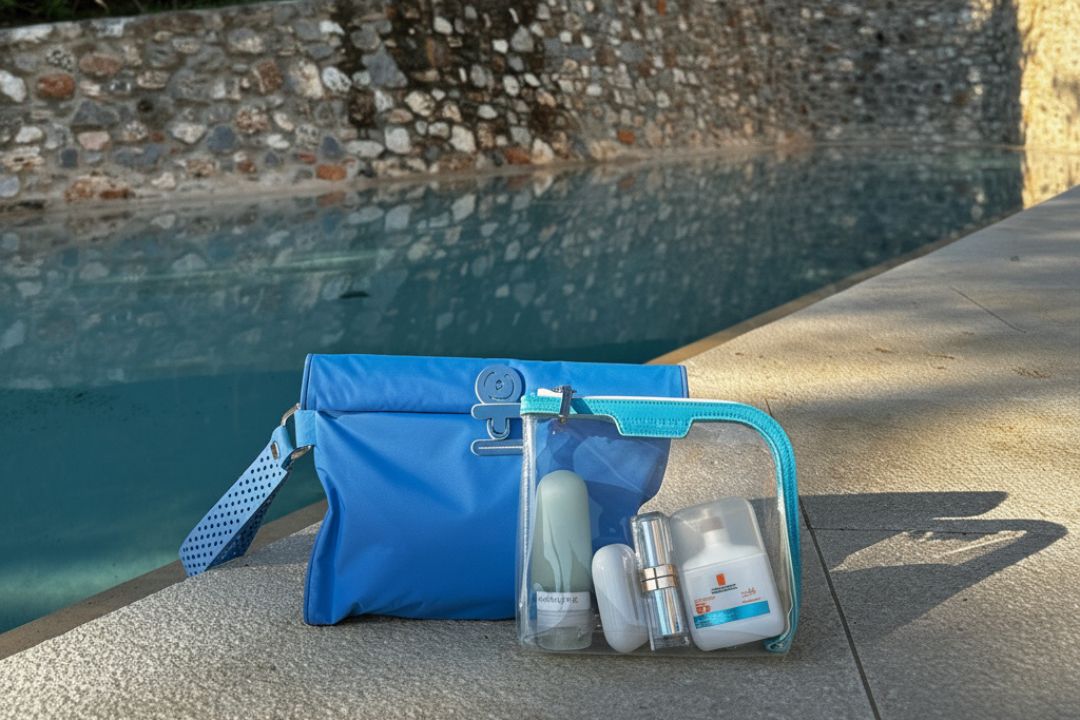
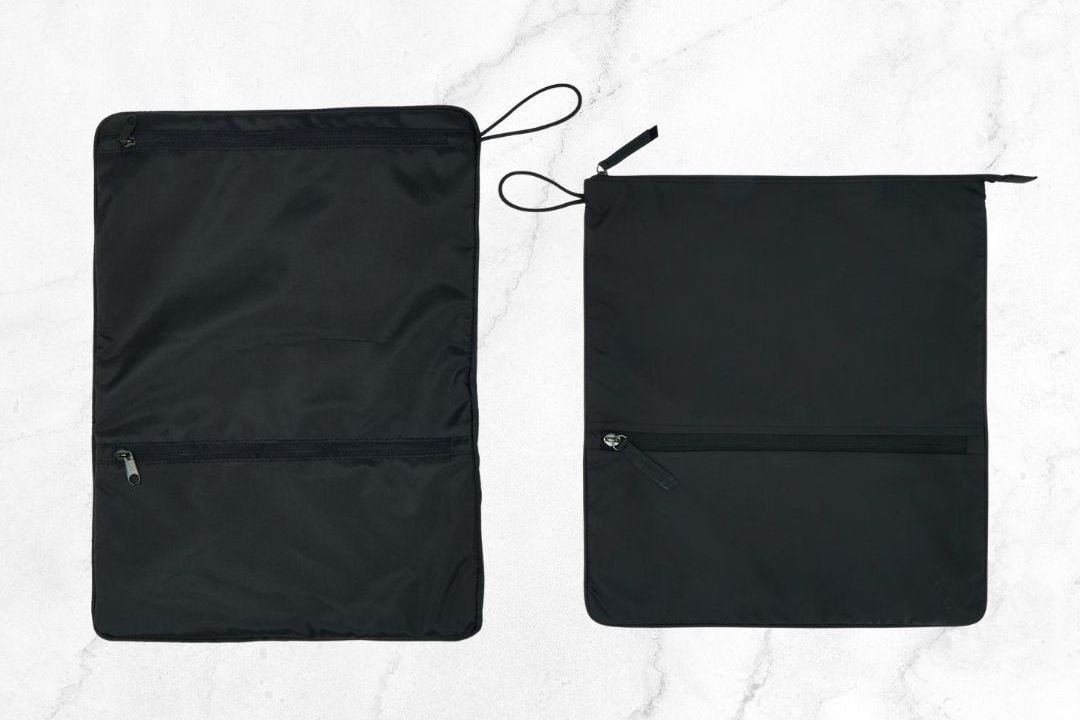
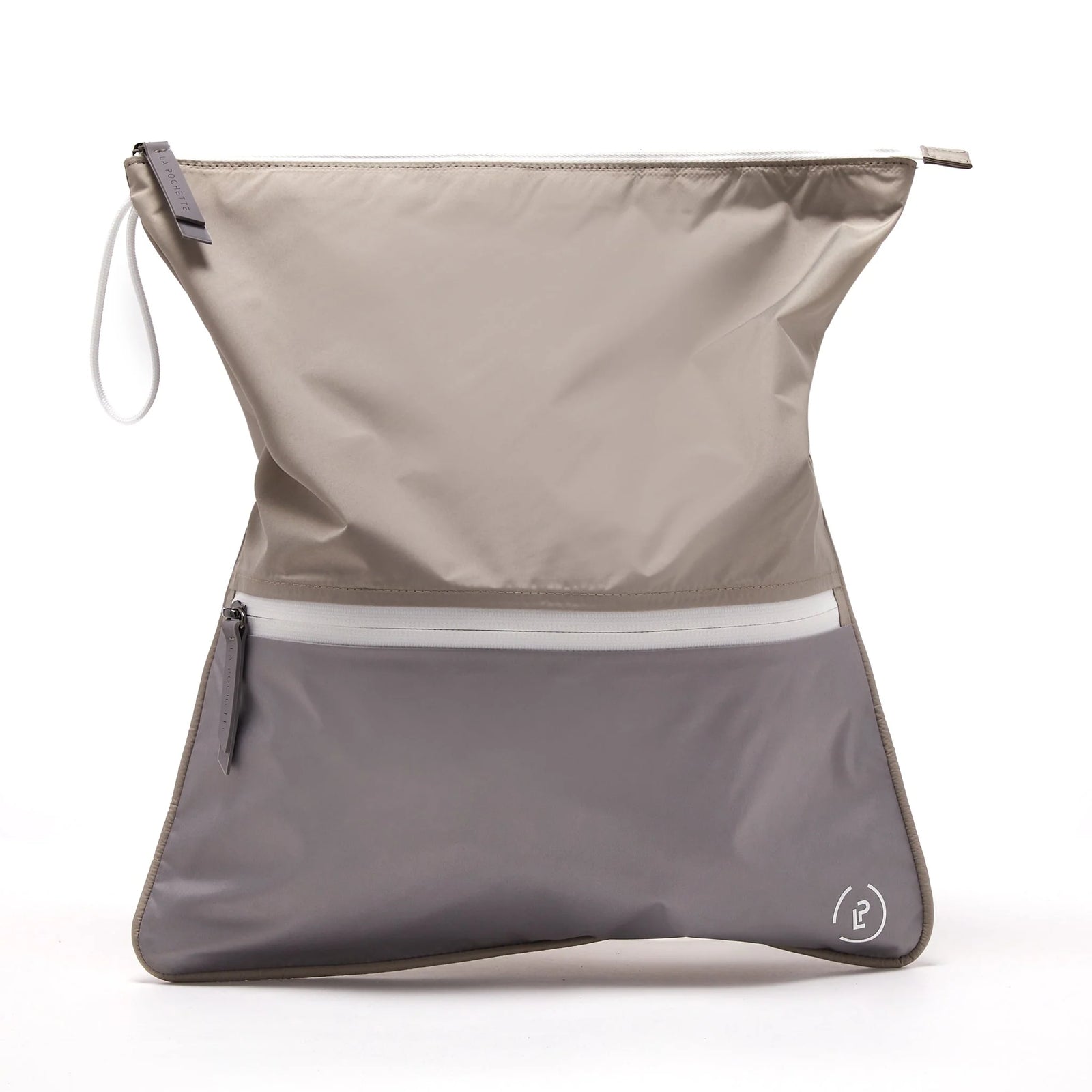
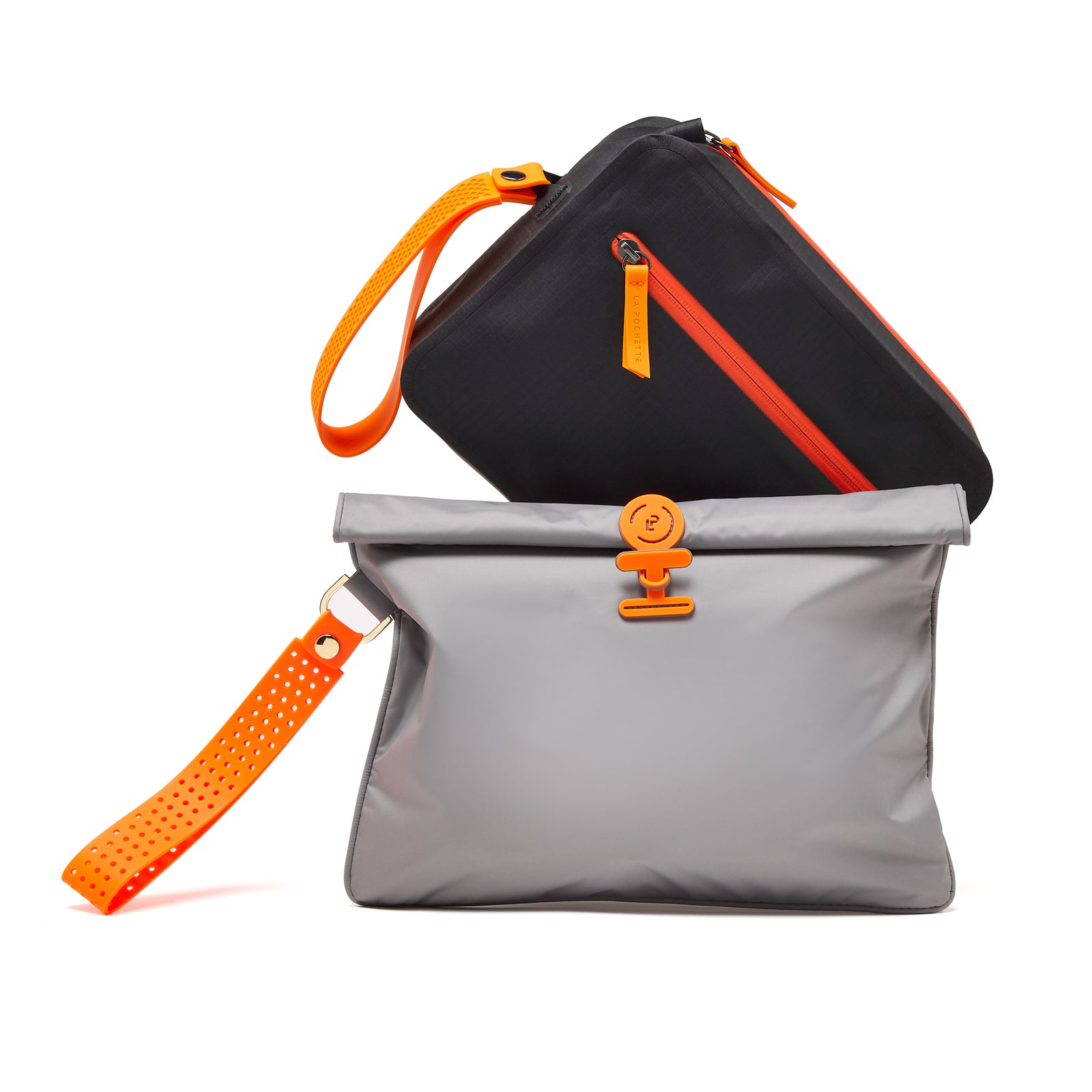
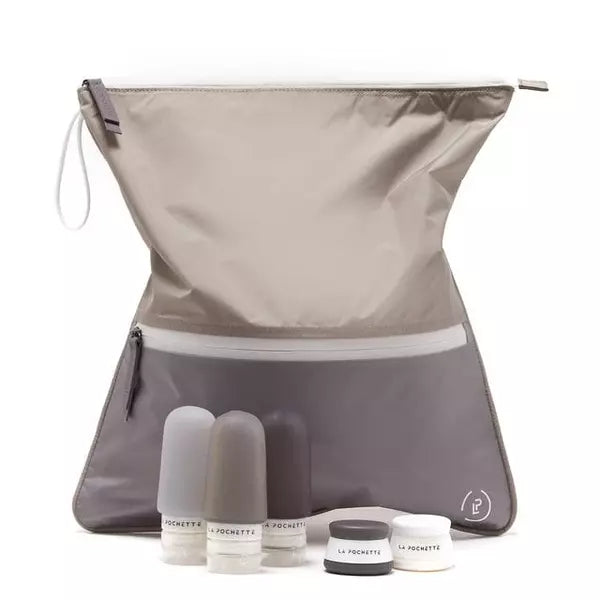
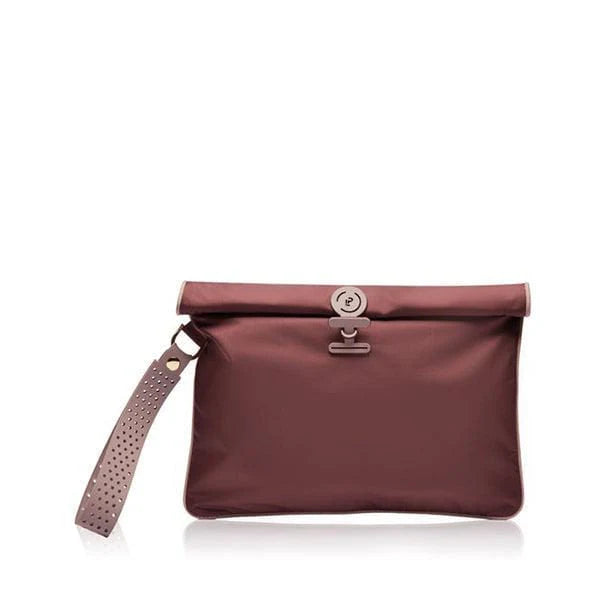
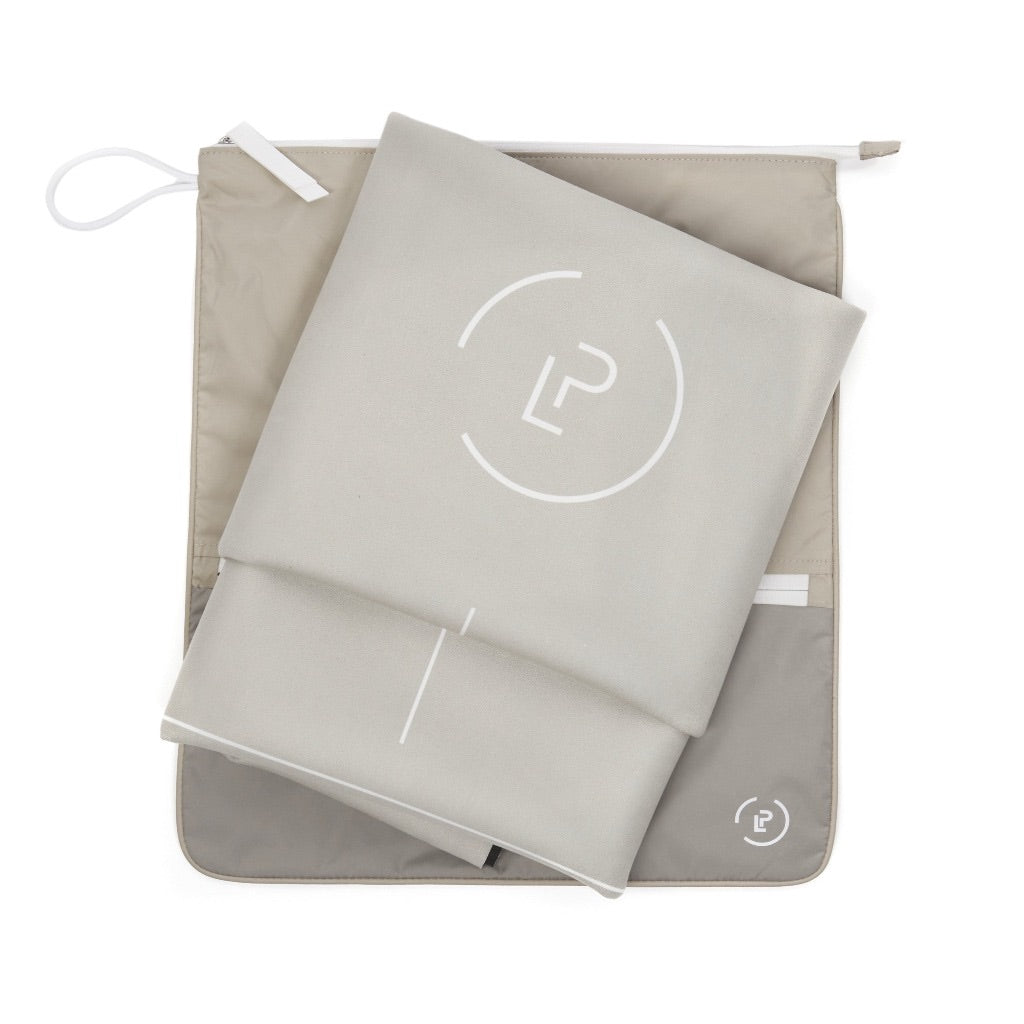
This is where the Sweat Bag and Wet Bag help. Whether you carry the Sweat Bag on it's own or slipped into a gym bag, tote or day bag, the fabric is antimicrobial by design and works against bacteria buildup rather than adding to it.
The Wet Bag does the same job for wet kit. If the wash has been done properly first, the bag stops that effort being undone straight away.
The fresh kit checklist
- No fabric conditioner, ever
- White vinegar in the wash
- Bicarbonate of soda for kit that's already stale
- A washing soda soak, a few hours or overnight, for kit that's really gone
- Don't rely on a hot wash to sanitise it, most machines can't get there anyway
- Air dry, skip the tumble dryer
- And finally let washed kit dry fully before putting it away, rather than folding it back into a drawer or bag damp
Don't let smelly kit distract you from the wellness that makes a difference to your day.