











Die Wahrheit über die Plastiktüten, die in Umkleidekabinen ausgegeben werden
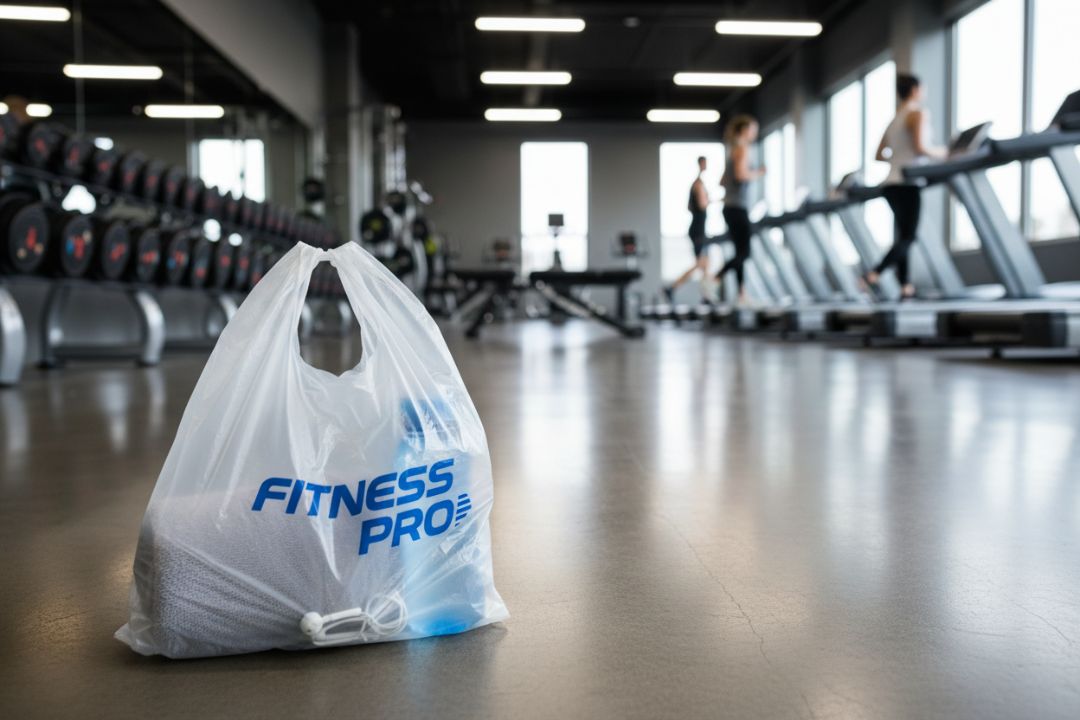
Es ist in so vielen Fitnessstudios Standard: Nach dem Training oder Kurs greift man zu einer Plastiktüte mit der Aufschrift „biologisch abbaubar“ und stopft seine verschwitzten Sachen hinein.
Tatsächlich setzen diese Tüten, die als umweltfreundlichere Alternative angepriesen werden, immer noch Mikroplastik in die Umwelt frei. Manchmal setzen sie sogar mehr als herkömmliche Plastiktüten frei, und es gibt immer mehr Beweise dafür, dass Mikroplastik schädlich ist, nicht nur für die Umwelt, sondern auch für unsere Gesundheit.
Mikroplastik: Nicht länger nur ein Problem der Ozeane
Mikroplastik ist überall, auch in uns.
Jüngste Forschungen haben mikroskopisch kleine Plastikpartikel in Blut, Lungengewebe, Muttermilch und sogar in Plazenten nachgewiesen. Während die Langzeitfolgen noch untersucht werden, haben erste Ergebnisse Fragen zu den Auswirkungen kumulativer Exposition aufgeworfen.
Eine im New England Journal of Medicine veröffentlichte Studie untersuchte Personen, die sich einer Operation zur Beseitigung verstopfter Arterien unterzogen. Die Patienten, die Mikroplastik in ihren arteriellen Plaques hatten, hatten ein deutlich höheres Risiko für Herzinfarkt, Schlaganfall und Tod im Vergleich zu denen, die keines hatten.
Da sich die Forschung bisher stärker auf Umweltauswirkungen und Meereslebewesen konzentrierte, ist das Ausmaß des Problems schwer abzuschätzen. Die Liste potenzieller gesundheitlicher Auswirkungen wächst jedoch, mit Verbindungen zu Entzündungen, Hormonstörungen, Herz-Kreislauf-Problemen und möglicherweise stärkeren chronischen Entzündungen, die mit Krebs in Verbindung gebracht werden.
Abbaubar, biologisch abbaubar, recycelbar – Was bedeutet das alles wirklich?
Es ist unbestreitbar, dass Plastik ein fantastisch nützliches Material ist, aber es ist nicht die beste Wahl für Produkte, die nur einmal verwendet werden. Als Verbraucher werden uns Alternativen zu Einwegplastik angeboten, aber die Kennzeichnung kann verwirrend sein.
Abbaubar
Dies bedeutet einfach, dass sich ein Material im Laufe der Zeit in kleinere Stücke zerlegt. Dieser Prozess kann zur Fragmentierung in Mikroplastik führen.
Biologisch abbaubar
Dies deutet darauf hin, dass Mikroorganismen das Material in Wasser, Kohlendioxid und Methan zerlegen können. Dies erfordert jedoch in der Regel spezielle industrielle Kompostierungsbedingungen, die kontrollierte Hitze, Feuchtigkeit und mikrobielle Aktivität umfassen. In einem Fitnessstudio-Mülleimer, einer Hotel-Umkleidekabine oder auf einer allgemeinen Mülldeponie gibt es diese Bedingungen selten. Infolgedessen können „biologisch abbaubare“ Beutel immer noch fragmentieren oder viel länger bestehen bleiben, als Verbraucher erwarten.
Eine Studie aus dem Jahr 2021 verglich biologisch abbaubares PBAT-Plastik mit regulärem Plastik in Wasser. Die biologisch abbaubare Version erzeugte mehr Mikroplastikfragmente, insbesondere wenn Sonnenlicht nachgebildet wurde. Eine Überprüfung aus dem Jahr 2024 kam zu dem Schluss, dass die Abbauraten oft unter 50-60% liegen, was zur Bildung von mikro-biologisch abbaubaren Kunststoffen führt, die sich in Boden und Wasser ausbreiten.
Gemeinsame Forschung von UC San Diego und einem Unternehmen namens Algenesis Materials hat ein auf Algen basierendes Material entwickelt, das innerhalb von 200 Tagen in Erde oder Kompost zu 97% biologisch abgebaut wurde, indem Bedingungen nachgebildet wurden, wie man sie zu Hause hätte. Das sind vielversprechende Entwicklungen, aber Beutel aus diesem Material werden in Ihrem Fitnessstudio noch nicht verteilt.
Recycelbar
Viele Plastiktüten sind technisch recycelbar, aber nur, wenn sie sauber und trocken sind. Ein nasser Badeanzug oder verschwitzte Sportkleidung verunreinigen die Tasche, was bedeutet, dass sie möglicherweise nicht in den normalen Recyclingkreislauf aufgenommen wird und viele dieser Taschen immer noch im Restmüll landen.
Während abbaubare, biologisch abbaubare und recycelbare Etiketten einen beruhigenden Eindruck hinterlassen, verhindern sie nicht unbedingt, dass Plastik in die Umwelt gelangt oder in kleinere Partikel zerfällt. Die Lösung besteht nicht darin, eine Plastiktüte gegen eine andere mit einem umweltfreundlicher klingenden Etikett auszutauschen.
Was sind die Alternativen?
Gewachste Baumwolltaschen
Einige Luxushotels sind auf gewachste Baumwolltaschen als natürliche Alternative zu Plastik umgestiegen, aber das Problem ist – ohne die Nachhaltigkeit der Baumwollproduktion zu vertiefen –, dass diese nicht maschinenwaschbar sind. Die Wachsbeschichtung löst sich ab, und man hat eine normale Baumwolltasche. Für eine Tasche, die verschwitzte Sportkleidung aufnimmt, ist eine punktuelle Reinigung einfach keine praktikable Lösung.
Wiederverwendbare Taschen, eine unvollkommene Antwort
Jede Sporttasche aus synthetischen Materialien, einschließlich der Taschen von La Pochette, setzt beim Waschen Mikroplastik frei. Studien zeigen, dass recyceltes Polyester (das wir verwenden) pro Wäsche tatsächlich etwas mehr Mikroplastikfasern freisetzt als neues Polyester.
Warum also überhaupt eine wiederverwendbare Tasche wählen? Weil wir langfristig denken.
Wenn Sie dreimal pro Woche ins Fitnessstudio gehen und jedes Mal eine Einwegtasche verwenden, sind das 156 Taschen pro Jahr, die im Müll landen und sich jede schließlich auf der Deponie in Mikroplastik zersetzt.
Eine wiederverwendbare Tasche, die Sie alle paar Wochen waschen? 26 Wäschen pro Jahr, die jedes Mal eine kleine Menge Mikroplastikfasern freisetzen.
Wir schätzen, dass eine wiederverwendbare Tasche, die alle paar Wochen gewaschen wird, etwa 16,2 mg Mikroplastikfasern pro Wäsche oder 421 mg pro Jahr freisetzt. Wenn man dies mit 156 Einwegtüten vergleicht, die sich vollständig zersetzen und etwa 1,56 kg erzeugen würden.
Das ist über 2,5 Tausend Mal weniger Mikroplastikverschmutzung durch eine wiederverwendbare Tasche.
Wie Sie waschen, ist wichtig, um Mikroplastikfasern zu reduzieren. Waschen Sie bei kühlerer Temperatur, verzichten Sie auf die Vorwäsche, waschen Sie volle Ladungen und verwenden Sie kürzere Zyklen. Eine gut verarbeitete Tasche mit engerer Webart verliert auch weniger Fasern als eine billig hergestellte. Unsere Taschen haben außerdem antimikrobielle Eigenschaften, was bedeutet, dass sie wirklich nicht so oft gewaschen werden müssen wie normale Taschen. Deshalb haben wir eine Spanne von zwei Wochen zwischen den Wäschen statt nach jeder Benutzung angesetzt.
Einen Schritt weiter gehen
Weil wir ehrlich über Mikroplastik sind, einschließlich der Tatsache, dass unsere Taschen beim Waschen Fasern freisetzen, möchten wir Ihnen auch helfen, das, was freigesetzt wird, zu reduzieren.
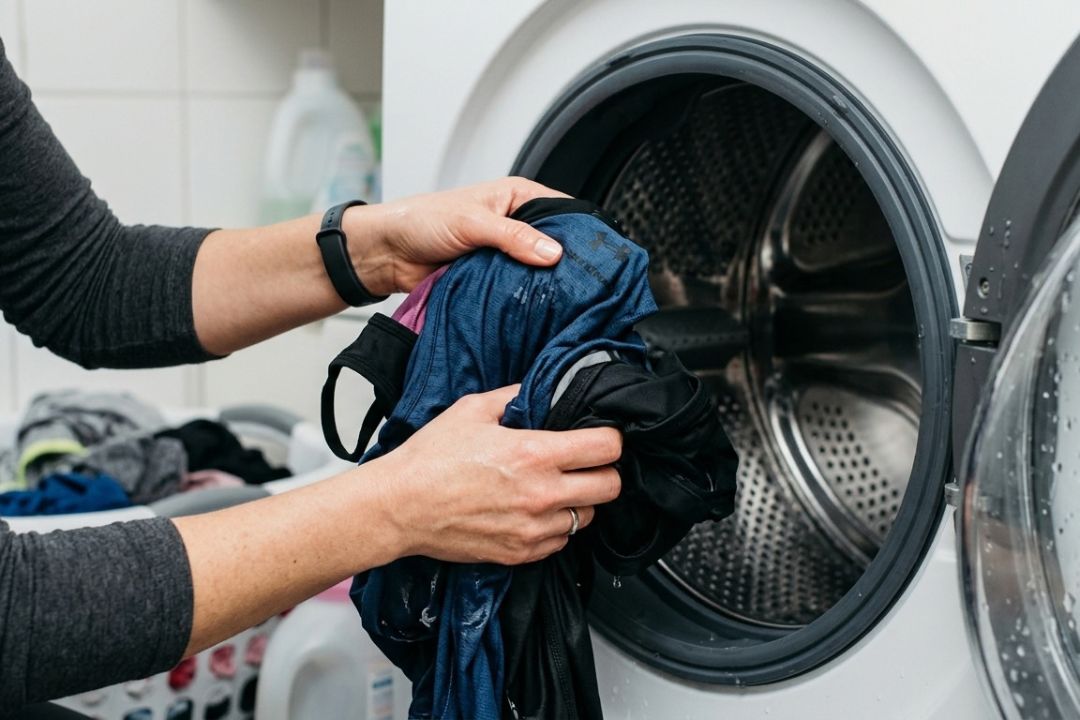
Deshalb verkaufen wir jetzt Guppyfriend Waschbeutel. Legen Sie Ihre La Pochette Tasche (oder andere synthetische Kleidung) vor dem Waschen hinein, und der Beutel fängt die Mikroplastikfasern auf, die während des Waschgangs abgelöst werden, und verhindert so, dass sie in das Wassersystem gelangen. Die gesammelten Fasern können Sie dann im Restmüll entsorgen.
Besonders nützlich ist es für Ihre Sportkleidung, die meist aus Polyester, Nylon oder Elasthan besteht, die alle bei jeder Wäsche Mikroplastik abgeben. Eine Guppyfriend-Tasche schützt all Ihre synthetische Sportbekleidung, Bademode und Fitness-Essentials und reduziert das Eindringen von Mikroplastik in unsere Gewässer um bis zu 86 %.
Es ist keine perfekte Lösung, alles hat einen ökologischen Fußabdruck, aber wir versuchen, so schonend wie möglich zu handeln.
Warum es sinnvoll ist
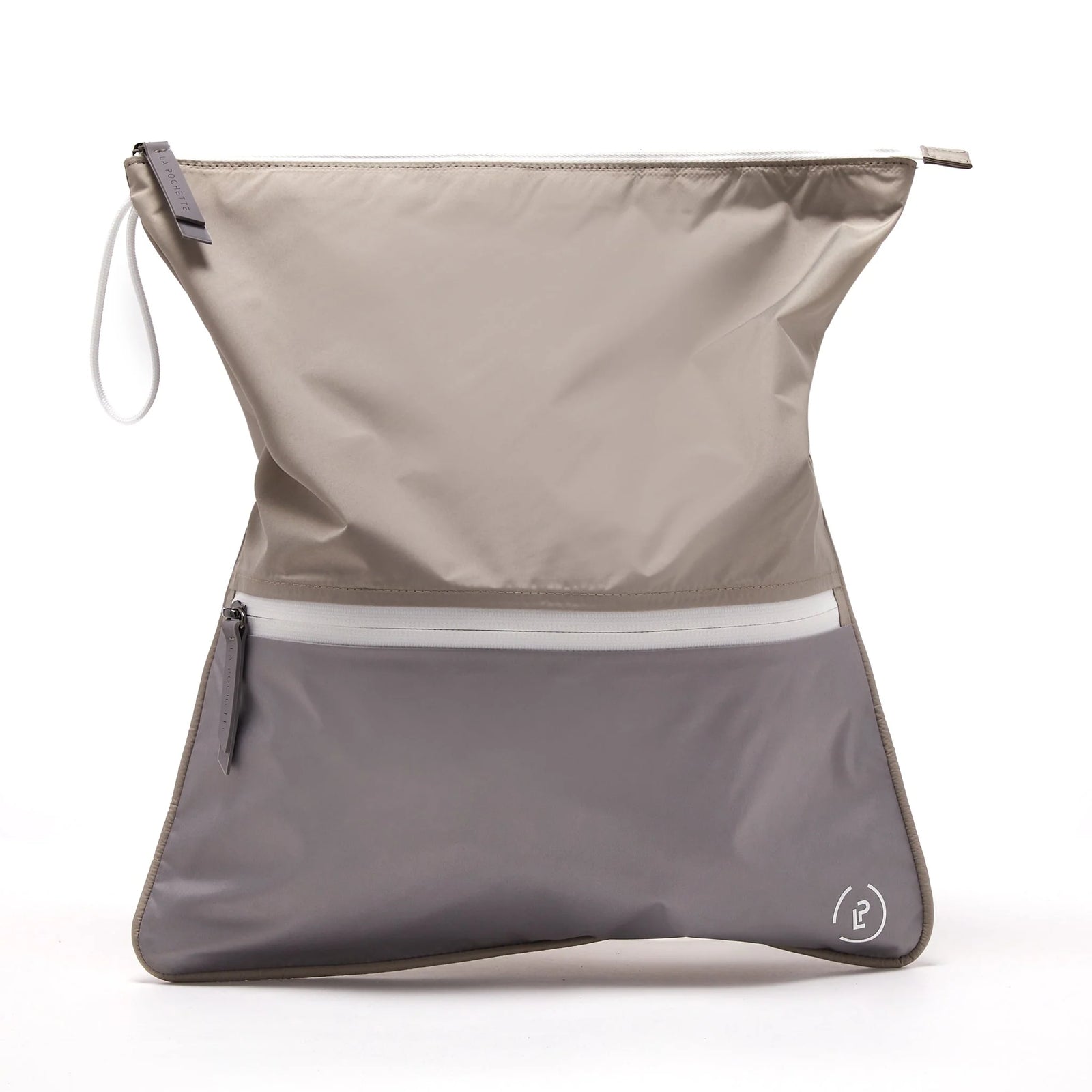
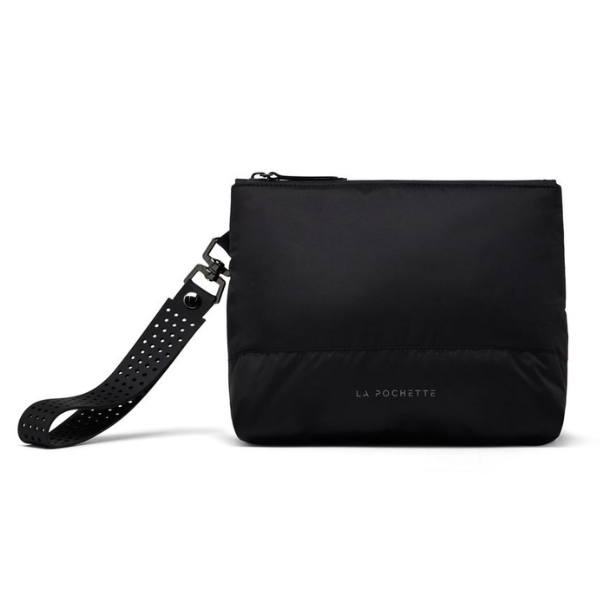
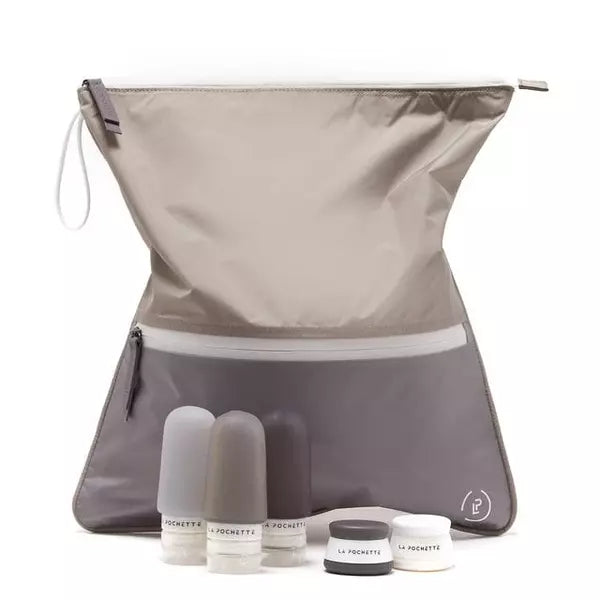
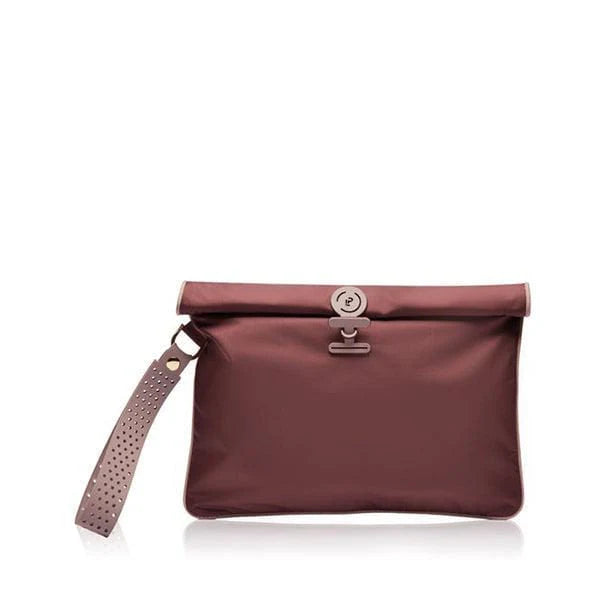
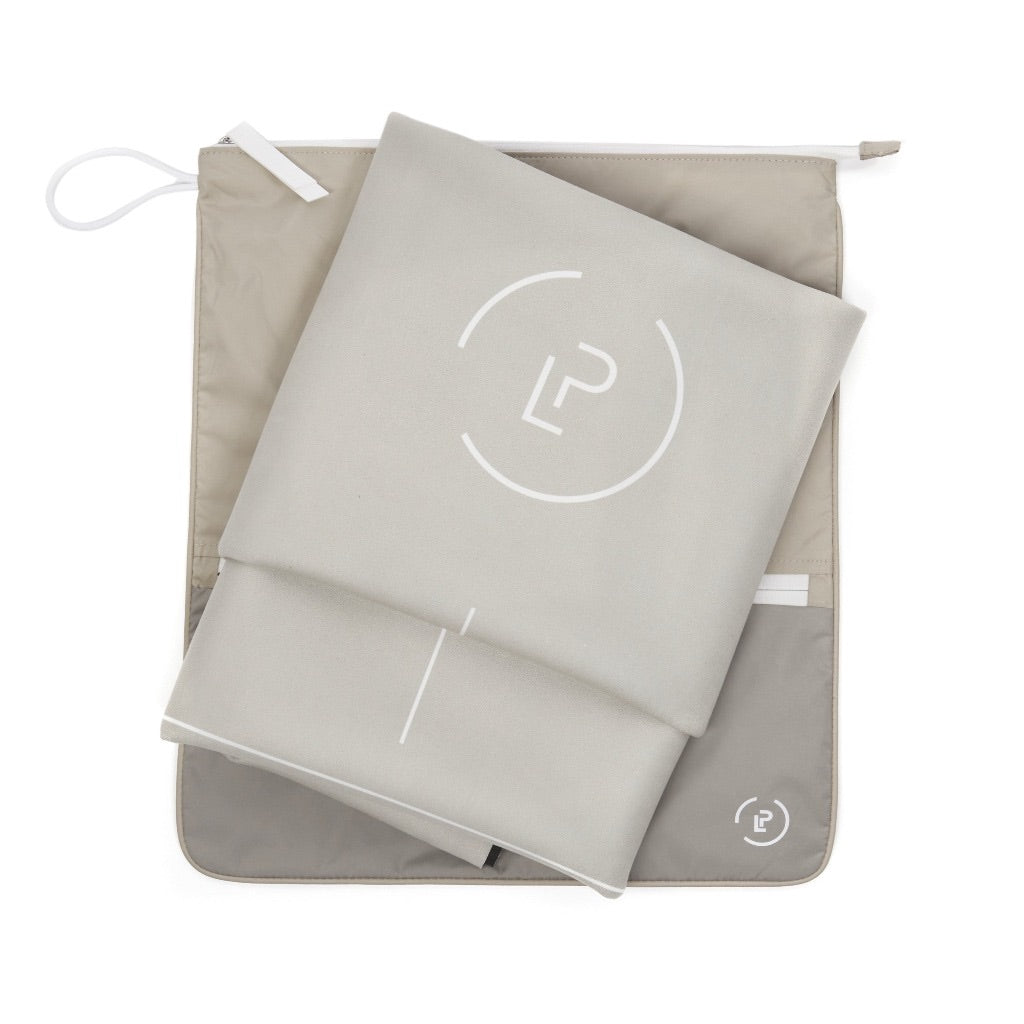
Die Lösungen von La Pochette sind eine Alternative zu Einweg-Plastiktüten, aber sie sind so viel mehr als das; es sind Taschen, die speziell für das Fitnessstudio-Leben entwickelt wurden. Die Sweat Bag zum Beispiel ist leicht und hat antimikrobielle Eigenschaften, sodass das Waschen alle zwei Wochen realistisch ist. Die separate Vordertasche bietet Platz für Toilettenartikel oder Sportsocken, sodass Ihre verschwitzten Sachen von allem anderen getrennt bleiben.
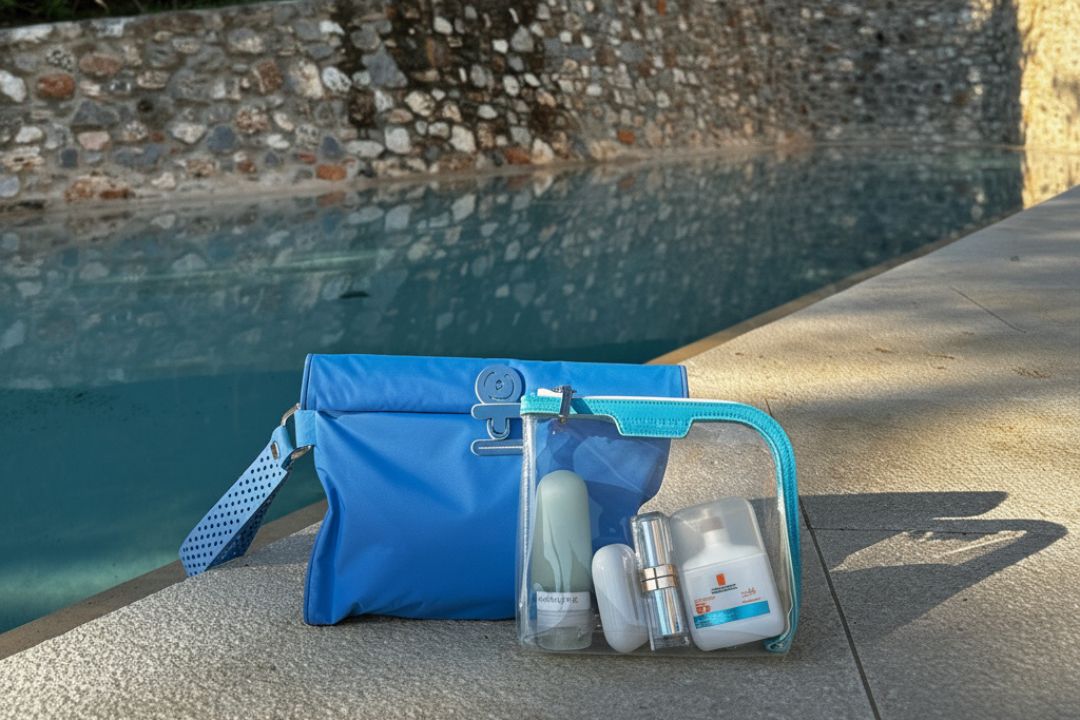
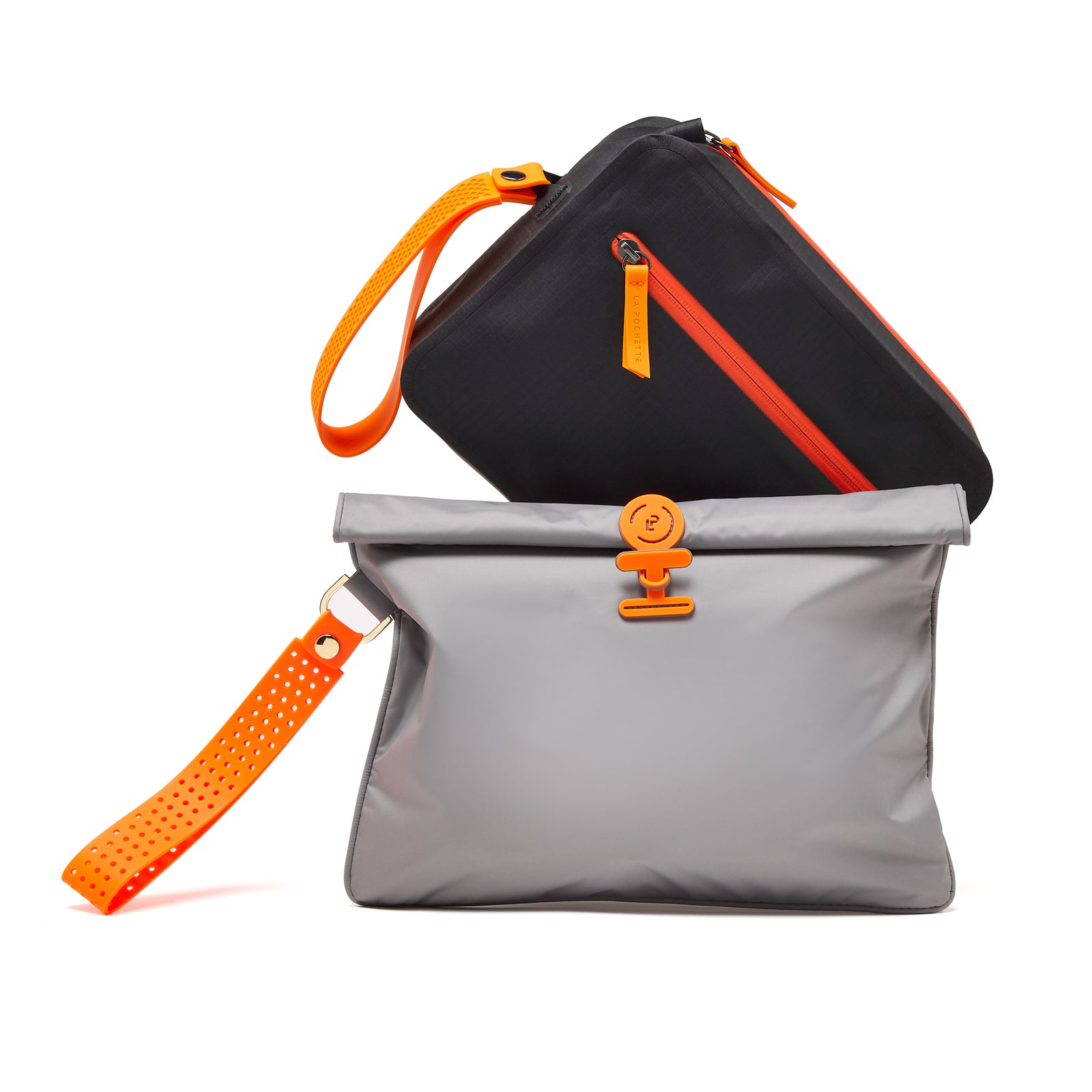
Unsere Wet Bag besteht aus dem gleichen charakteristischen Stoff, aber das Futter ist komplett wasserdicht. So bleibt der Rest Ihrer Sachen, egal ob in einer Einkaufstasche, Strandtasche, Rucksack oder Koffer, trocken.
Wenn die Lösung für ein Problem nicht klar ist, kann es verlockend sein, sich zu fragen, warum man sich überhaupt die Mühe machen sollte, aber wir glauben, dass die Wahl nicht zwischen Perfektion und Umweltverschmutzung besteht. Es ist die Wahl zwischen systemischem Einwegmüll, der jedes Mal zu Mikroplastik zerfällt, und einer drastisch reduzierten Umweltbelastung durch Produkte, die auf Langlebigkeit ausgelegt sind.
Es ist nicht perfekt, aber es ist viel besser als die Alternative.