











Why Everyone's Obsessed With Saunas Right Now (And You Should Be Too)
Why We're All Talking About Saunas
If you've been in a sauna recently, you already know that feeling. The one where your shoulders finally drop, your mind stops racing and everything just... settles. It turns out there is real science behind why that twenty minutes in the heat can change your entire day.
Alongside relaxation, recent research shows that regular sauna use can support heart health, and the immune system, speed up recovery after exercise, and genuinely reduce symptoms of stress.
Finding Your Heat: The Different Types of Sauna
Traditional Finnish Sauna
The classic, what most people picture when they hear the word ‘sauna’. Dry heat sitting between 80 and 90°C, with the option to throw water on hot stones for a quick burst of steam. It's strong and energising, perfect if you want that deep, cleansing sweat. Most gym saunas are this style.
Infrared Sauna
Gentler than traditional saunas, with lower temperatures that still get the job done. Infrared heats your body directly rather than heating the air around you, making it ideal for muscle recovery and improving sleep quality. This is the one that regular users tend to love for everyday sessions.
Smoke Sauna
One of the oldest forms of sauna, still beloved in Finland. The heat is atmospheric and even, with a soft, woody aroma that comes from the smoking process. If you ever get the chance to try an authentic smoke sauna, take it.
Ozone Sauna
A modern twist that combines heat therapy with oxygen. You'll find these in longevity clinics and biohacking spaces, where they're used for circulation support and skin benefits. It's more niche, but growing in popularity.
Steam Room
Technically not a sauna, but worth mentioning because it works beautifully alongside one. The humid heat is incredibly soothing on your skin and sinuses. Many people alternate between dry sauna heat and steam room moisture as part of their routine.
What the Research Actually Says (And Why It Matters)
Most of the robust research comes from Finland, where cardiologist Dr Jari Laukkanen has been studying traditional saunas for decades. It's worth noting: these landmark studies focused on traditional Finnish saunas operating at 80–90°C, not infrared or other types. While emerging research suggests other sauna types offer benefits too, the strongest evidence base is for traditional heat.
His long-term research tracked thousands of people and found regular sauna use (four to seven times per week) was associated with:
-
63% lower risk of sudden cardiac death
-
50% lower risk of fatal cardiovascular disease
-
Improved blood pressure and vascular health
-
Better circulation throughout the body
-
Over 60% reduced risk of dementia and Alzheimer's disease (when used four times per week)
Biomedical scientist Dr Rhonda Patrickhas explored how sauna use increases heat shock proteins which has various health benefits, from preventing plaque aggregation associated with neurodegenerative diseases to helping your muscles recover.
These aren't small margins. We're talking about genuinely significant protective effects from something as simple as sitting in heat.
How Long Should You Actually Stay In?
If you're new to saunas, start with ten to fifteen minutes. Once you're accustomed to the heat, most regular users stay for around twenty minutes and might repeat the cycle twice with a cool rinse or dip in between.
The research suggests that two to four sessions per week offer the best long-term benefits. If you exercise regularly, timing matters: use the sauna after your workout, not before. This supports recovery without interfering with your training.
The Hydration Question
Saunas increase sweating significantly, so proper hydration is essential. Drink water before your session and after. If you're using a sauna regularly, especially multiple times per week, you'll want to add electrolytes to your routine—sodium, potassium, and magnesium in particular. These minerals replace what you lose through sweat and help maintain healthy circulation and energy levels.
Should you drink water during your session? While modern advice often says to bring water in and sip as needed, traditional sauna culture suggests waiting until after. The theory is that your body should work with the available fluid to flush out toxins during the session and that adding more fluid can disrupt this process. Most experts agree that if you do drink during, take small sips rather than gulping.
One non-negotiable: avoid alcohol before or after your sauna session. It interferes with your body's ability to regulate temperature and increases dehydration risk.
Why You Might Want to try a Sauna Hat
A felt sauna hat might look quirky, but it serves a real purpose. It provides a layer of insulation from the rising heat, keeping your head cooler and allowing you to warm up more evenly, which can make the session more comfortable and help you stay in longer.
It can also help to protect your scalp and hair from the heat.
When Saunas Aren't Right for You
While saunas are safe for most healthy adults, there are some important exceptions. You should avoid saunas if you have unstable angina, recent heart attack, or severe aortic stenosis. Pregnant women should consult their doctor before using saunas, particularly during the first trimester. You shouldn't use a sauna if you have a fever and anyone with conditions that affect their ability to sweat, such as multiple sclerosis or diabetes with neuropathy, should speak with their doctor first. If you have any doubts, check with your GP before starting a regular sauna practice.
Elevate Your Experience with Dry Brushing
Dry brushing is an ancient technique, which has been used for centuries in cultures from Egypt to India, involves running a natural bristle brush across dry skin in gentle, upward strokes toward your heart.
Dry brushing before a sauna stimulates your lymphatic system, which is responsible for removing waste and toxins from your body. When you dry brush before entering the sauna, you're removing dead skin cells, unclogging pores and jumpstarting circulation so that when the heat hits, your body can sweat and release toxins more effectively.
Spend a few minutes before your sauna session brushing from your feet upward in long, sweeping motions. Use circular motions on your stomach and brush toward your armpits on your arms, as that's where lymph nodes cluster. Avoid sensitive areas like your face and the delicate skin around your nipples.
Don’t dry brush after the sauna, your pores are already open and your skin is warm and potentially sensitive. Brushing at that point can cause irritation or push surface debris back into your skin.
A Moment for You
Another factor in the growing popularity of saunas is surely that they force a pause. Without the opportunity to look at your phone and nowhere to rush off to, your thoughts slow down and your whole nervous system gets a chance to reset.
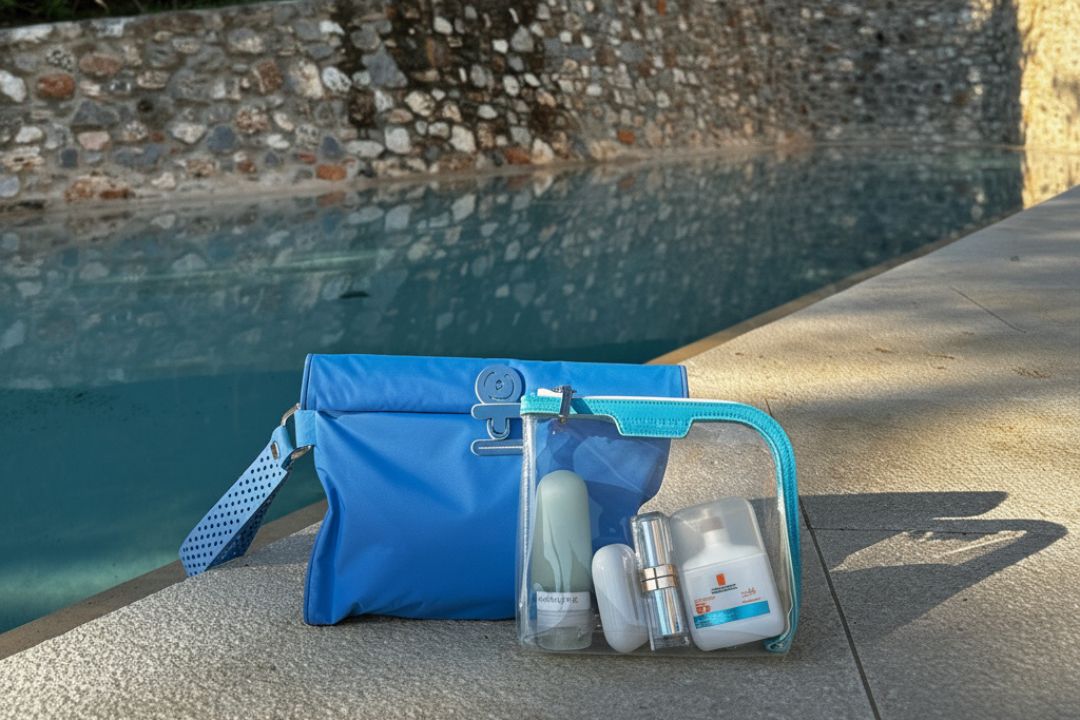
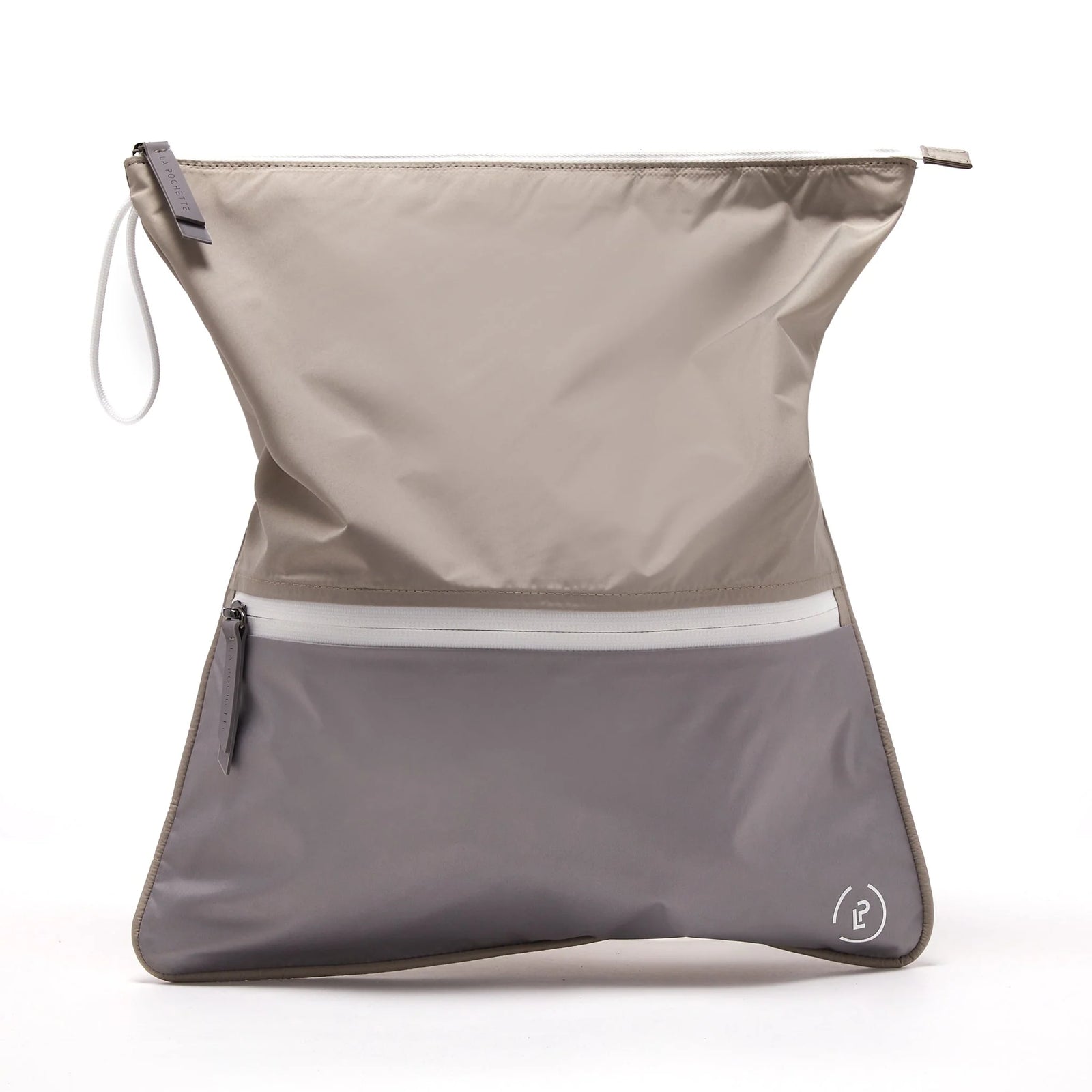
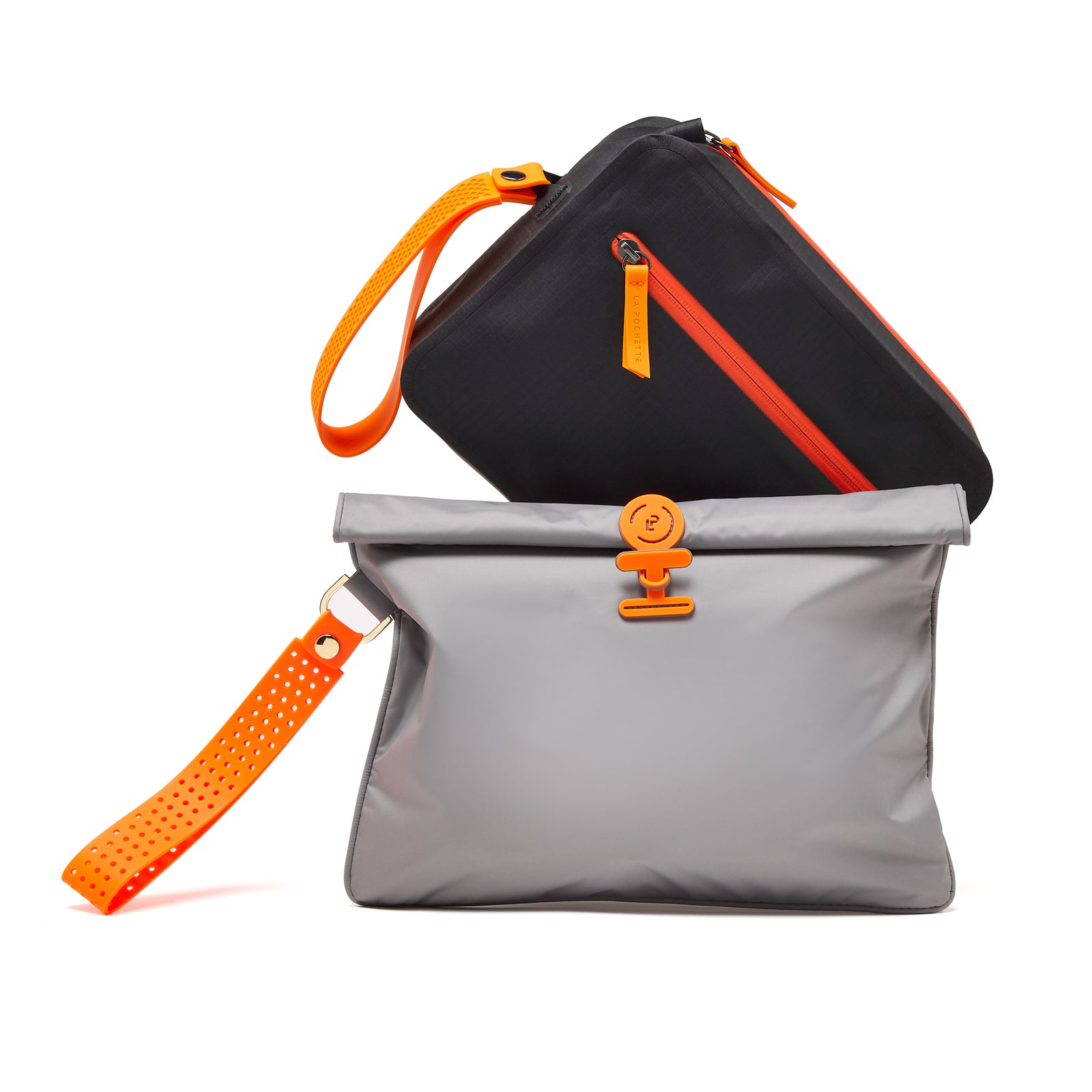
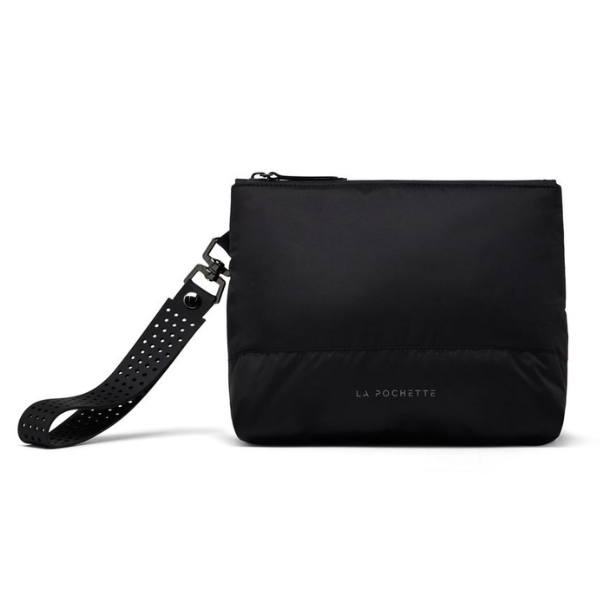
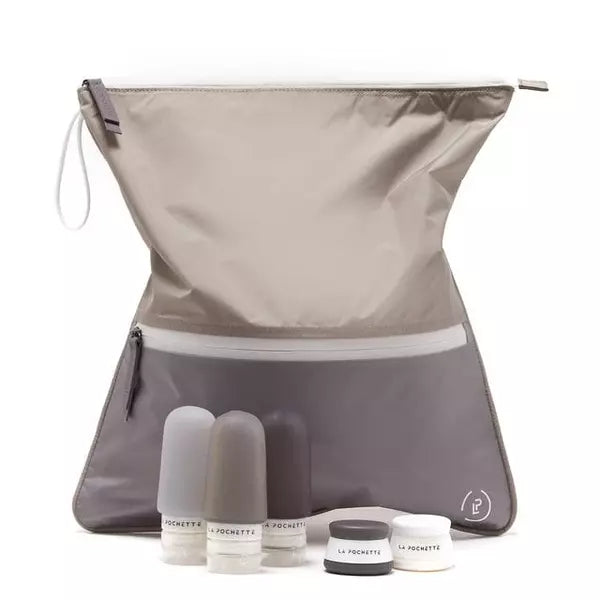
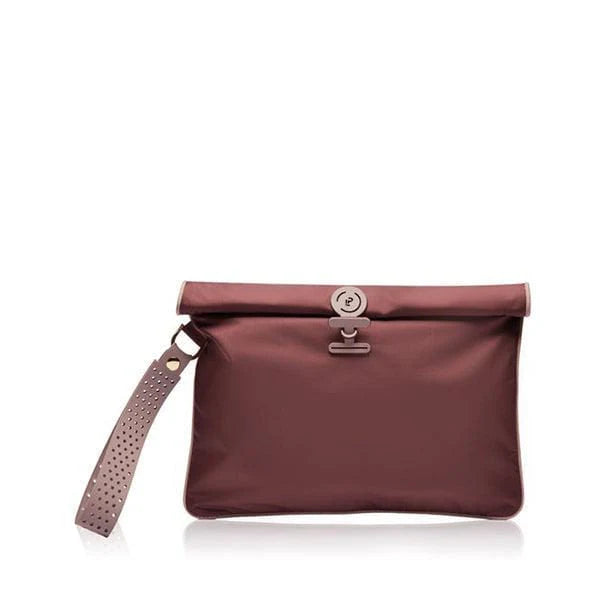
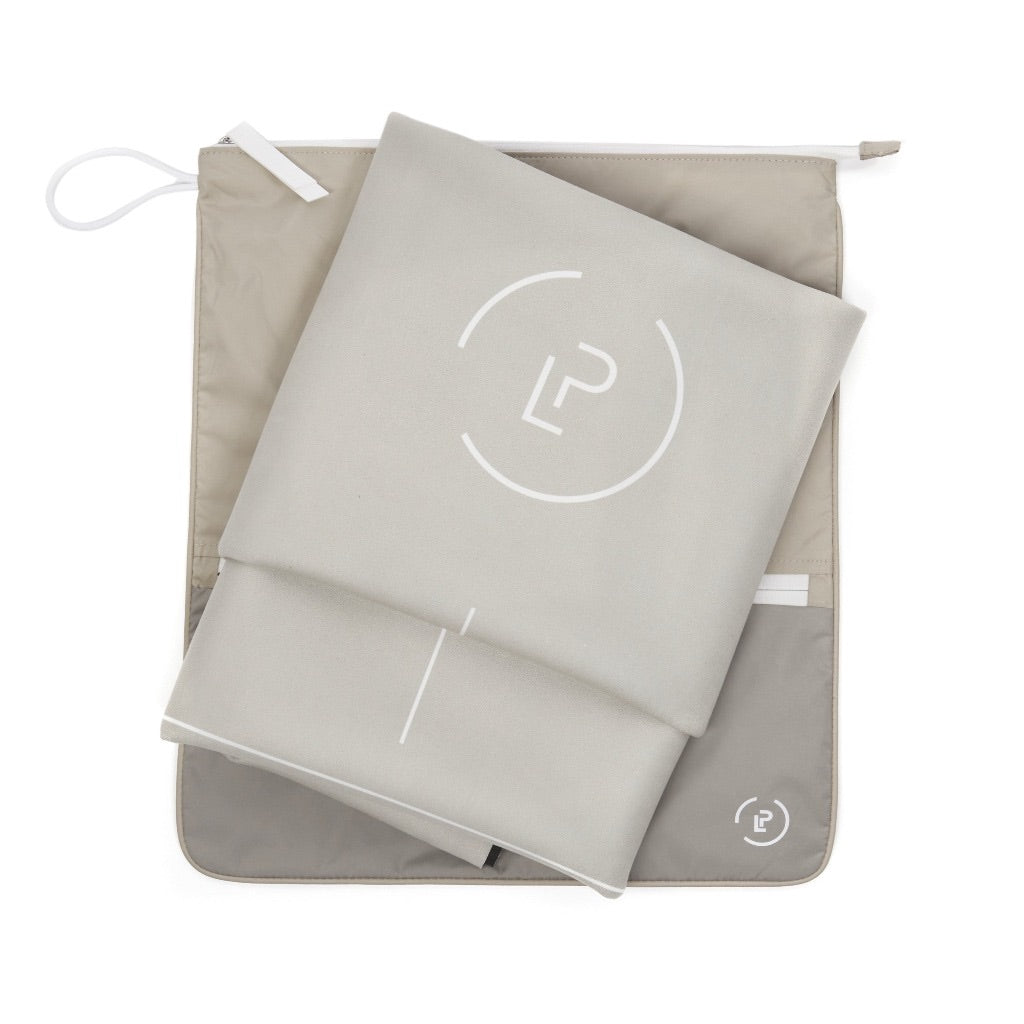
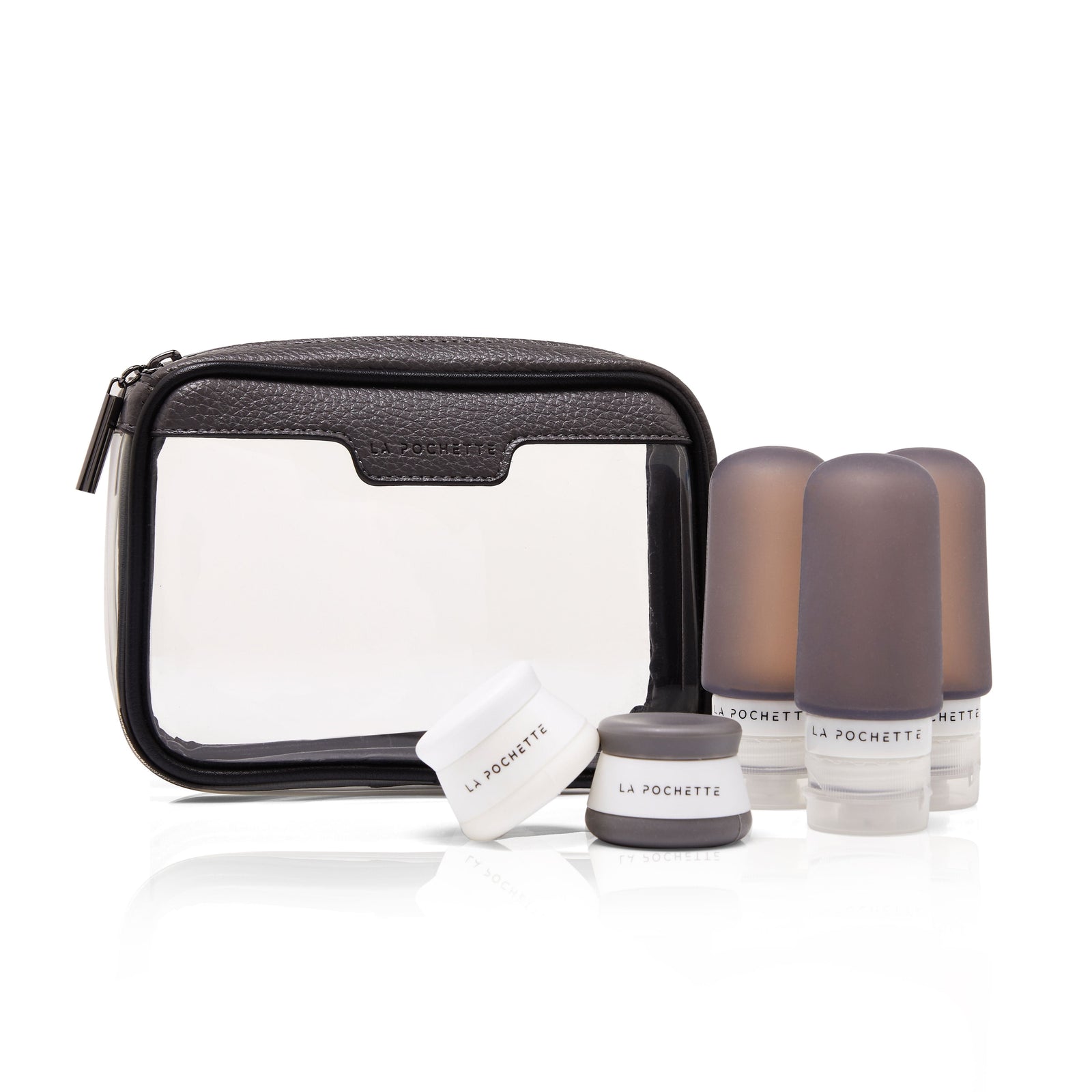
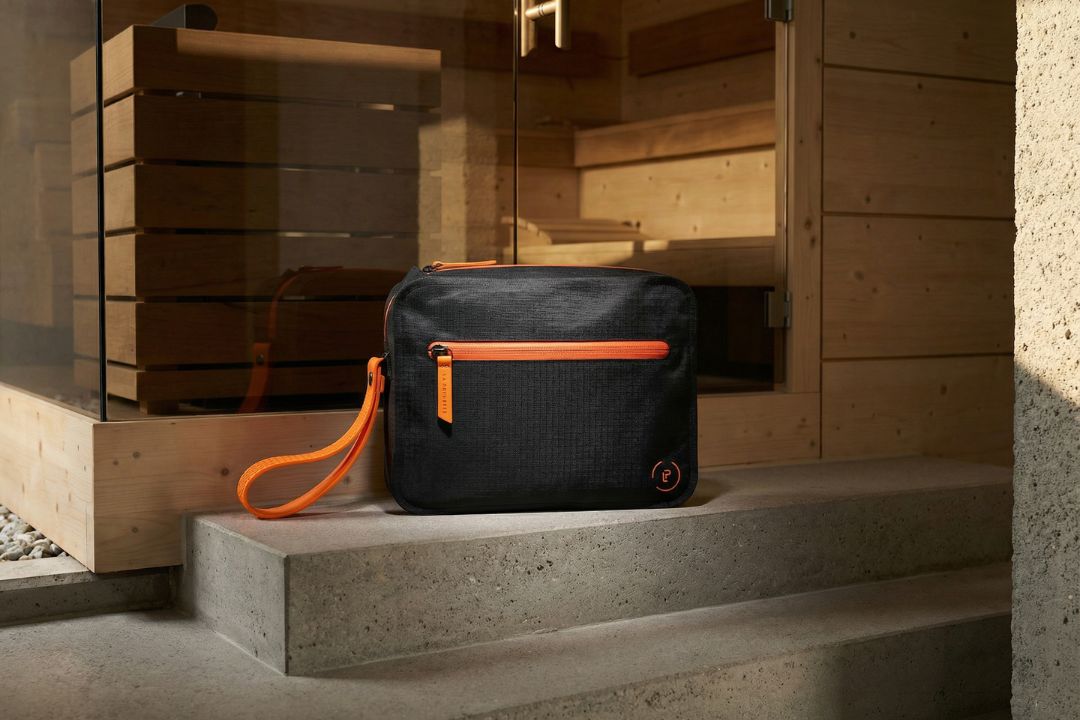
What to do with your sweaty kit or wet swimsuit post-sauna? Put them in a La Pochette Wet Bag or Aqua Bag. Completely waterproof, they ensure no leaks, no smells and no need for plastic bags.